We're here to help in Vancouver —
(604) 857-5779

Planning an Accessible Memorial Service: Making Sure Everyone Can Be There
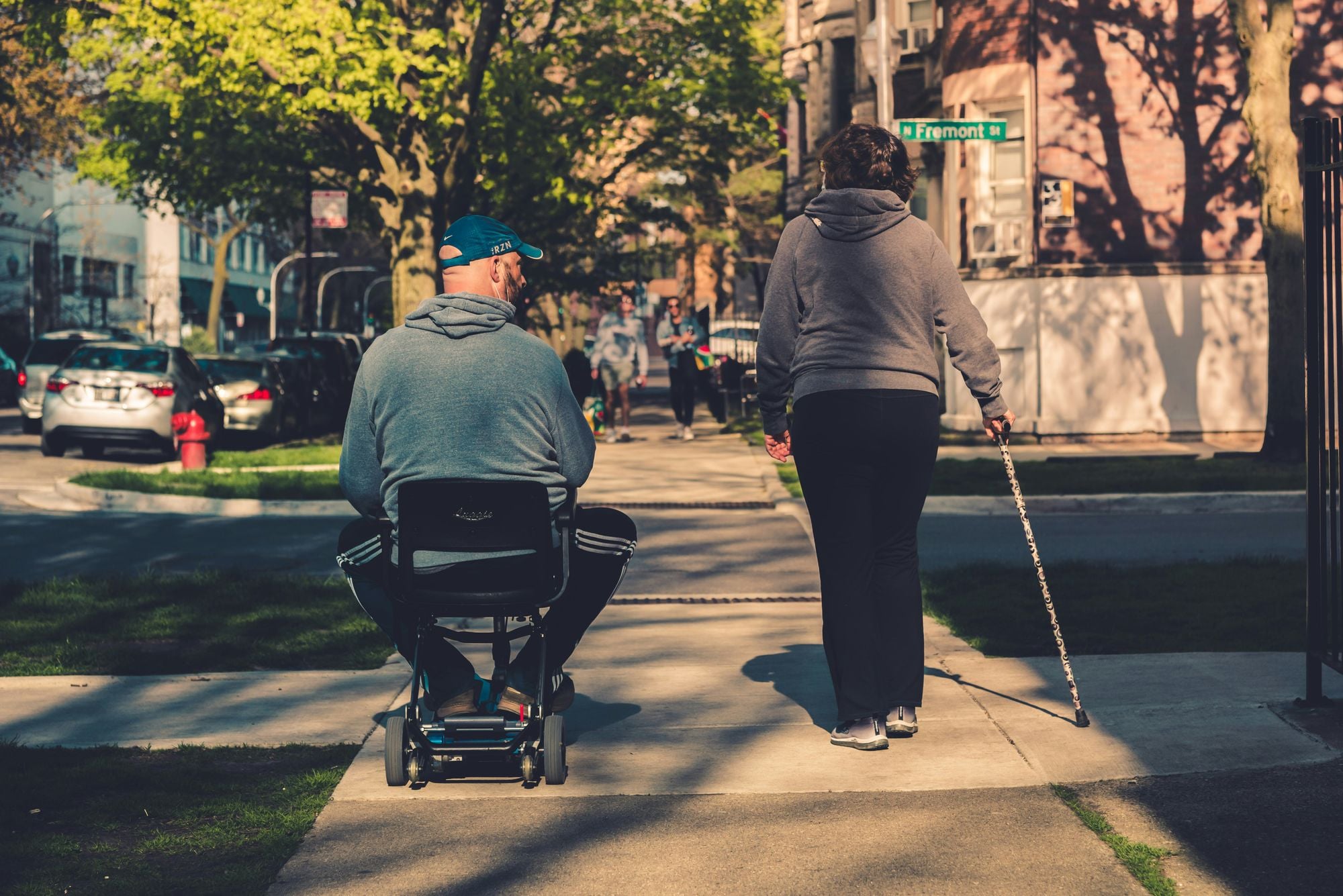
Image by Unsplash / Max Bender
Need help right now? We're here 24/7.
When a family gathers to honour someone they’ve lost, it matters that everyone who wants to be there can be there - comfortably and with dignity. Accessibility isn’t an afterthought; it’s part of creating a service that truly reflects the care and respect your loved one would have wanted for the people in their life.
Whether you’re holding a Celebration of Life at a community hall, a memorial at a park, or a service in a place of worship, thinking through accessibility early on can make all the difference for guests with mobility challenges, sensory sensitivities, or other needs.
Here’s what to keep in mind.
Physical Access
The most visible accessibility concerns are often the most practical ones - can everyone get into the building, move around comfortably, and find a seat?
Entrances and exits. Look for venues with step-free access, ramps, or level pathways at the main entrance. If there’s an accessible entrance that’s separate from the main one, make sure guests know where it is ahead of time.
Parking. Designated accessible parking close to the entrance is essential, especially for guests using mobility aids or those who have difficulty walking longer distances.
Clear pathways. Inside the venue, walkways should be wide enough for wheelchairs and walkers, and free of clutter, cords, or anything that could create a tripping hazard.
Seating. Offer a range of seating options, including spaces where wheelchair users can sit alongside family and friends with a clear view of the service - not tucked away at the back or off to the side.
Washrooms. Accessible washrooms with grab bars, adequate turning space, and wide doorways are a must. If the venue doesn’t have them, it may not be the right fit.
Sensory Considerations
Not all accessibility needs are visible. Some guests may be affected by lighting, sound, or scent in ways that aren’t immediately obvious.
Lighting. Harsh or overly bright lighting can be uncomfortable for some individuals. If the venue allows it, softer or adjustable lighting creates a more welcoming atmosphere for everyone.
Sound. A clear sound system with adjustable volume helps ensure that speakers and music can be heard without being overwhelming. If the venue is large, ask about assistive listening devices for guests who are hard of hearing.
Scent. Strong floral arrangements, perfumes, or cleaning products can be difficult for people with chemical sensitivities or respiratory conditions. Where possible, keep scents to a minimum or choose a well-ventilated space.
Communication and Language
A truly inclusive service considers how information is shared - both during the event and beforehand.
Assistive listening devices. If any guests have hearing impairments, check whether the venue can provide or accommodate assistive listening technology.
Sign language interpretation. If a guest or family member communicates through sign language, arranging for an interpreter ensures they can participate fully in the service.
Large print materials. If you’re preparing a printed program, order of service, or tribute booklet, having a few copies in large print is a thoughtful and easy accommodation for guests with low vision.
Advance communication. Let guests know ahead of time what accessibility features will be available, including parking, entrance locations, and any accommodations you’ve arranged. A brief note in the invitation or a follow-up message can go a long way.
Choosing the Right Venue
If you haven’t yet settled on a location, accessibility is one of the most important factors to consider. A few things to look for:
Ask about accessibility features directly. Don’t assume - call the venue and ask specifically about ramps, lifts, accessible washrooms, and parking. Some spaces that look accessible from the outside may have unexpected barriers inside.
Visit in person if you can. A quick walk-through will tell you more than a website ever will. Pay attention to doorway widths, floor surfaces, and the distance from parking to the entrance.
Ask about staff support. Venues with staff who are familiar with accommodating guests of all abilities can help things run smoothly on the day.
At Alternatives, we’re experienced in helping families find venues across Metro Vancouver and the Fraser Valley that work for their needs - including accessibility. Because we hold services in community spaces rather than a traditional funeral home, we can help you choose a location that suits your family, your guests, and the kind of gathering you’d like to create.
A Few More Things to Keep in Mind
Emergency plans. If the venue has an emergency evacuation procedure, make sure it accounts for guests with mobility challenges or other disabilities. It’s worth asking about this when you visit.
Service animals. Service animals should always be welcome. Let the venue know in advance if a guest will be accompanied by one, and confirm that the space can accommodate them comfortably.
Technology. If the service will include a slideshow, video, or live-streamed element, consider adding captions or audio descriptions so that guests with hearing or vision impairments can follow along.
It’s About Making People Feel Welcome
Accessibility doesn’t have to be complicated. Often, it’s the small, thoughtful details - a clear path to the door, a seat saved near the front, a printed program in a larger font - that make someone feel genuinely included rather than like an afterthought.
When you’re planning a service to honour someone’s life, making sure the people who loved them can fully be part of that moment is one of the most meaningful things you can do.
If you’d like help thinking through venue options or accessibility considerations for a service, our team at Alternatives is always happy to talk it through with you.
Have questions about this?
Our team can talk through your options and what applies to your family. No cost, no obligation.
Service Type
memorial
Related reading
Memorialization
Green Burial in British Columbia: A Natural Return to the Earth
British Columbia is one of the best places in Canada to explore this option. Here's what green buria...
Feb 16, 2026

Memorialization
How to Write an Obituary: A Practical Guide for Families
A good obituary isn't a biography. It's a portrait - a brief, honest reflection of who someone was a...
Feb 15, 2026

Memorialization
Finding the Right Venue for a Celebration of Life in British Columbia
In British Columbia, families have an extraordinary range of options. From intimate community halls...
Feb 8, 2026