We're here to help in Vancouver —
(604) 857-5779

Green Burial in British Columbia: A Natural Return to the Earth
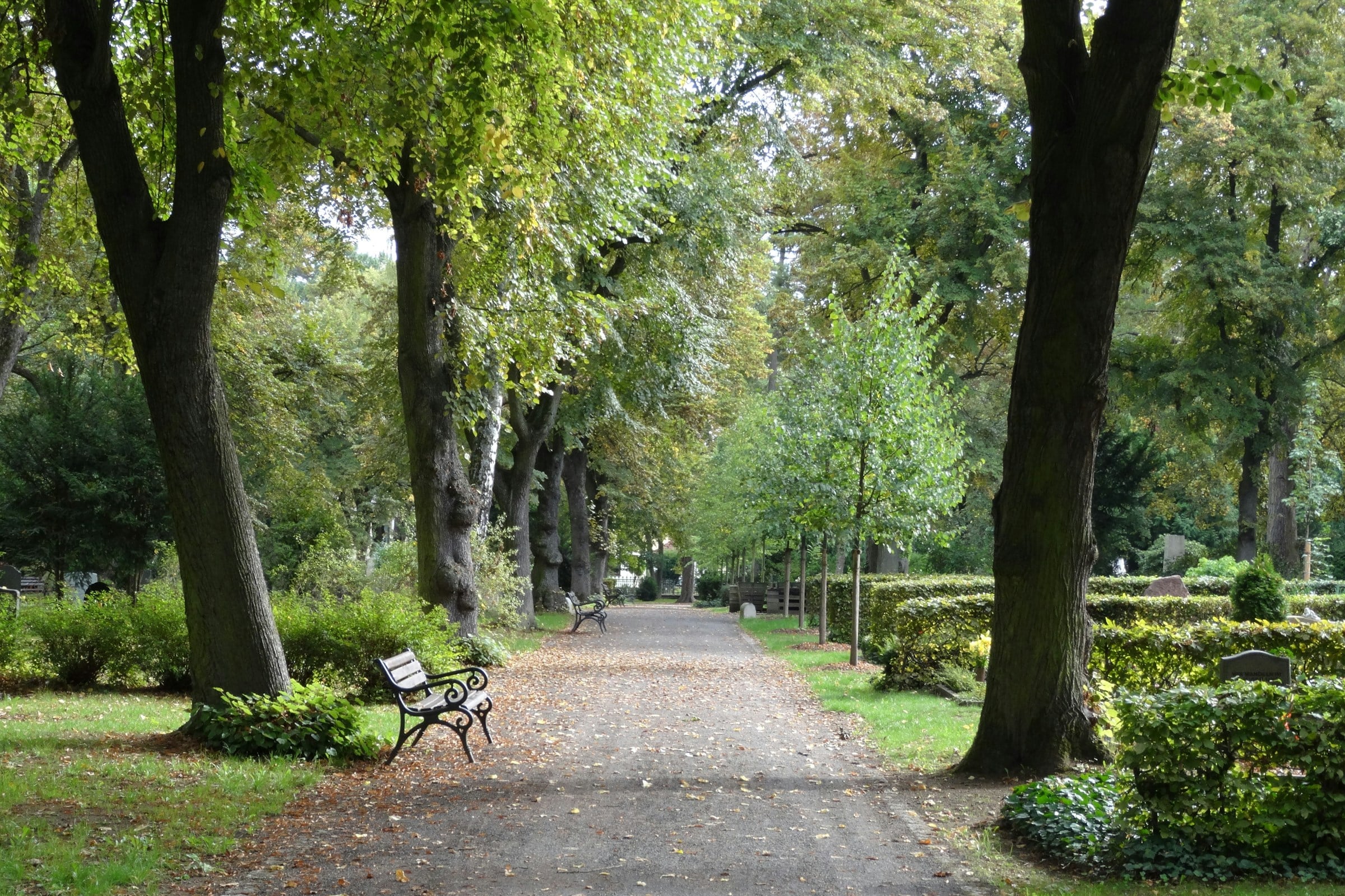
Image by Unsplash / Lutz Stallknecht
Need help right now? We're here 24/7.
For a growing number of families, the way we care for the dead should reflect the way we care for the living world. Green burial - sometimes called natural burial - is an approach that allows the body to return to the earth as naturally as possible, without the chemical preservation, concrete vaults, and non-biodegradable materials that characterise conventional burial.
If this resonates with you, British Columbia is one of the best places in Canada to explore this option. Here’s what green burial involves, why families choose it, and how to arrange one.
What Is Green Burial?
Green burial is burial in its simplest, most natural form. The body is not embalmed with chemical preservatives. Instead of a traditional casket made of metal or sealed hardwood, the body is placed in a biodegradable container - a plain wood casket, a wicker or bamboo coffin, a cotton or wool shroud - or sometimes no container at all. There is no concrete grave liner or vault. The body is placed directly into the earth, where it decomposes naturally and returns its nutrients to the soil.
The grave may be marked with a flat natural stone, a native planting, or a simple marker - rather than a polished granite headstone. Over time, a green burial section looks less like a conventional cemetery and more like a meadow, a woodland, or a natural landscape.
Why Families Choose Green Burial
The reasons are as varied as the families who make the choice.
Environmental values. Conventional burial uses significant resources - hardwood or metal caskets, concrete vaults, chemical embalming fluids - and occupies land that is maintained with mowers, fertilisers, and irrigation. Green burial eliminates all of this. For families who care about their ecological footprint, it’s a way to ensure that their final act on this earth is a gentle one.
Simplicity. Green burial strips away the layers of products and services that have accumulated around the modern funeral industry. What remains is something elemental: a body, the earth, and the people who loved the person. Many families find this simplicity profoundly meaningful.
Cost. Without the expense of embalming, a high-end casket, a vault, and perpetual cemetery maintenance, green burial can be significantly more affordable than conventional burial. The costs vary depending on the cemetery and the options chosen, but the overall expense is typically lower.
A sense of return. For many people, the idea of becoming part of the landscape - nourishing a tree, enriching the soil, returning to the cycle of life - holds deep spiritual or philosophical meaning. It feels like a continuation rather than an ending.
What About Embalming?
Embalming is not legally required in British Columbia. It’s a service that was originally developed for long-distance transportation of the dead and for public viewing - but it’s not necessary for burial, and it’s not part of the green burial process.
If the family wishes to have a viewing or visitation before the burial, non-toxic, temporary preservation methods can be used instead. Refrigeration is the most common alternative, and it’s effective for the timeframe most families need.
Green Burial Options in BC
British Columbia has several cemeteries that offer green or natural burial options, and the availability is growing.
Royal Oak Burial Park (Victoria) - One of the first cemeteries in BC to offer a dedicated natural burial section, with biodegradable containers and natural markers.
Heritage Gardens (Surrey) - A family-owned cemetery emphasising sustainable and eco-friendly burial, including green burial plots, memorial trees, and beehives on the grounds.
Other cemeteries across the province may accommodate green burial practices on a case-by-case basis, even if they don’t have a dedicated green section. Your funeral director can help you identify options in your area.
Alternatives and the Green Burial Council
At Alternatives Funeral & Cremation Services, environmental responsibility has been part of our story for a long time. We are one of only a handful of funeral homes in Canada rated by the Green Burial Council of North America - an independent organisation that certifies funeral providers meeting specific standards for green burial practices.
Our three-leaf rating means we offer Green Burial Council-approved burial containers, do not use chemical embalming fluids, and provide non-invasive techniques for temporary preservation. We also power our Aldergrove facility with 100% green energy through Bullfrog Power.
If green burial is something you’re considering - for yourself or for a loved one - we can walk you through every aspect of the process and help you find the right cemetery and approach.
Green Burial and Cremation: Are They Related?
They’re different options, but they share a common value: simplicity and environmental mindfulness.
Cremation - particularly direct cremation - has a smaller environmental footprint than conventional burial (no casket, no vault, no land use), though it does involve energy consumption and emissions. Green burial avoids these entirely, making it the lowest-impact option available.
Some families combine elements of both: cremation followed by burial of the ashes in a biodegradable urn, or scattering in a natural setting. Others choose green burial specifically because they want the body to return to the earth intact.
There’s no right or wrong answer - only what feels true to your values and the wishes of the person being honoured.
Planning Ahead
Green burial is an option that benefits from advance planning. Cemetery space in dedicated green burial sections is limited, and not all cemeteries offer it. By expressing your wishes in advance - and ideally, making prearrangements with a funeral home and a cemetery - you ensure that the option is available when the time comes.
At Alternatives, we can help you explore green burial as part of a broader preplanning conversation. Whether you’re certain it’s what you want or just beginning to consider it, we’re here to answer questions and help you think it through.
Have questions about this?
Our team can talk through your options and what applies to your family. No cost, no obligation.
Service Type
graveside
green
Related reading
Memorialization
How to Write an Obituary: A Practical Guide for Families
A good obituary isn't a biography. It's a portrait - a brief, honest reflection of who someone was a...
Feb 15, 2026

Memorialization
Finding the Right Venue for a Celebration of Life in British Columbia
In British Columbia, families have an extraordinary range of options. From intimate community halls...
Feb 8, 2026
Memorialization
Choosing a Columbarium Niche: A Guide for Families Considering Cremation
For many families, a columbarium niche offers something meaningful: a permanent, dedicated resting p...
Jan 29, 2026