We're here to help in Vancouver —
(604) 857-5779

Creating a Memorial Garden: A Living Tribute to Someone You Love
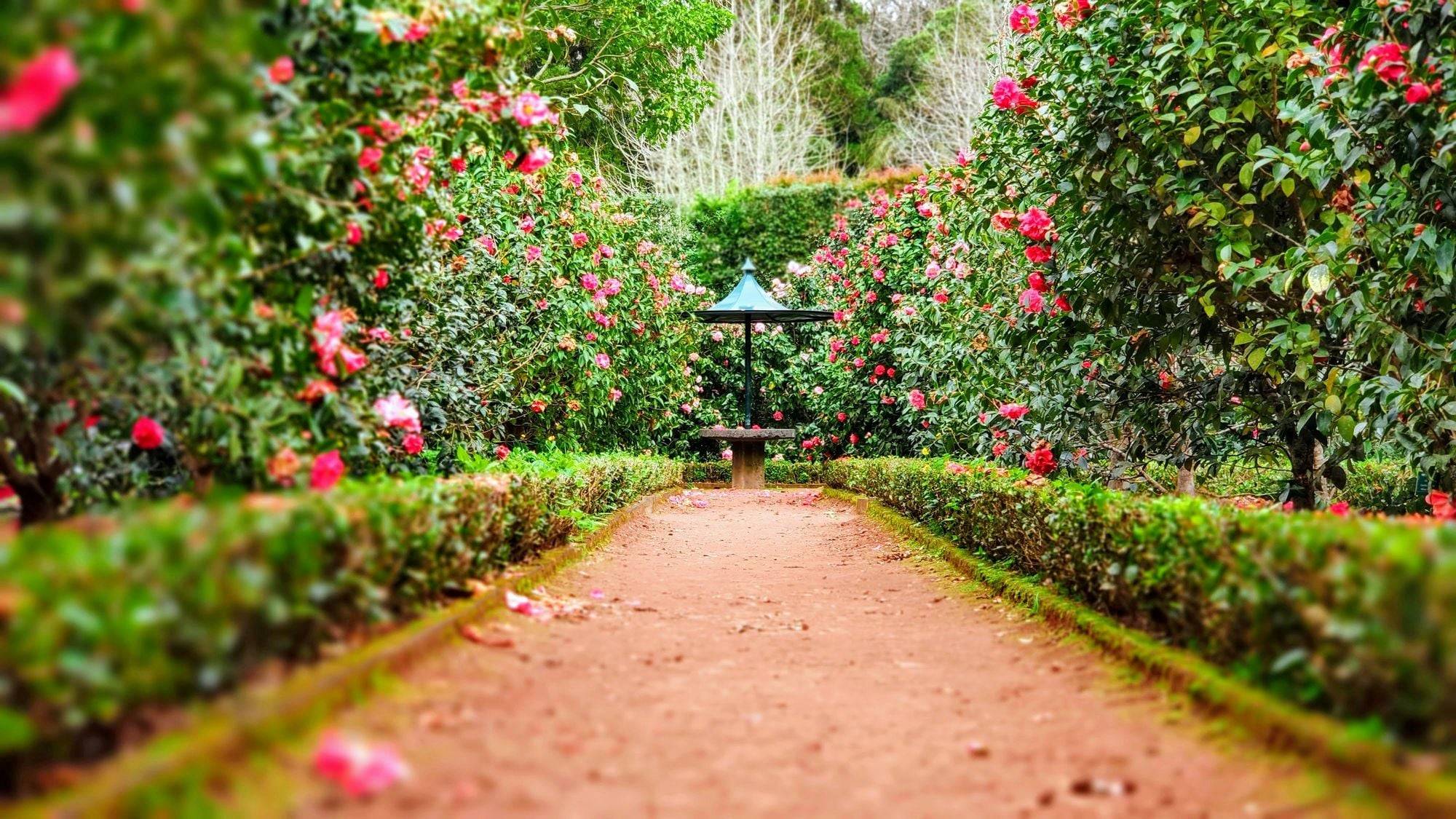
Image by Unsplash / Ignacio Correia
Need help right now? We're here 24/7.
A memorial garden is one of the most beautiful ways to honour a loved one’s memory. It’s a living space - one that grows, changes with the seasons, and gives you a quiet place to sit, reflect, and feel close to the person you’ve lost.
Whether you’re planning a small corner of your backyard or contributing to a shared community space, creating a memorial garden is a deeply personal process. There’s no right or wrong way to do it. What matters is that it feels meaningful to you and true to the person being remembered.
Designing Your Garden
The best memorial gardens reflect something real about the person they honour. Before you start choosing plants or placing stones, spend some time thinking about who they were - what they loved, what made them feel at peace, what kind of space they would have been drawn to.
A Quiet Place to Sit
At its simplest, a memorial garden is a peaceful spot where you can be still. A comfortable bench, a small water feature for the sound of running water, and a stone or gravel pathway can create a space that invites you to slow down and remember. You don’t need a large area - even a modest garden corner can become a meaningful sanctuary.
A Garden That Reflects Who They Were
Consider designing the garden around something your loved one was passionate about. A butterfly garden for someone who loved wildlife. A herb garden for someone who loved to cook. A wildflower meadow for someone who was happiest outdoors. Letting their personality shape the design creates a space that feels unmistakably theirs.
A Memory Pathway
A garden path made of engraved stepping stones, inscribed tiles, or personalised pavers can serve as both a functional walkway and a tribute. You might include their name, meaningful dates, a favourite quote, or simply a word that captures who they were. The path can lead to a central feature - a favourite tree, a bench, or a piece of art.
Circular or Spiral Layouts
Circular and spiral designs carry a natural symbolism of continuity and the cycle of life. If the space allows, these shapes can create a sense of harmony and completeness that feels especially fitting for a memorial garden.
Choosing Plants with Meaning
Plants are the heart of a memorial garden - they bring colour, life, and a sense of renewal to the space. Choosing them thoughtfully can add another layer of meaning.
Plants That Carry Symbolism
Many flowers and trees have traditional associations that can add quiet significance to your garden. Roses are connected to love and remembrance. Forget-me-nots speak to enduring memory. Lilies represent renewal and purity. Oak trees symbolise strength and endurance. You might choose plants based on these meanings, or simply because they remind you of someone - their favourite colour, something that grew in their garden, or a bloom that always made them smile.
Year-Round Interest
A garden that changes through the seasons keeps the space alive and inviting all year. In British Columbia’s climate, you might consider daffodils and cherry blossoms for spring, lavender and hydrangeas for summer, Japanese maples and asters for autumn, and evergreens, holly, or snowdrops to carry beauty through the winter months.
Low-Maintenance Options
If you want a garden that’s beautiful without demanding constant attention, lean toward perennials, native plants, and species suited to your local growing conditions. In the Lower Mainland and Fraser Valley, many native plants thrive with minimal care and attract pollinators, birds, and butterflies - adding life and movement to the space.
Their Favourite Plants
Perhaps the most personal choice of all is to plant something your loved one genuinely loved. If they had a favourite flower, a tree they always admired, or a shrub they tended in their own garden, bringing that into the memorial space creates a living connection to who they were.
Personal Touches That Make It Yours
Beyond the plants themselves, small memorial elements can make the garden feel like a truly personal tribute.
Engraved stones or plaques. A stone marker with your loved one’s name, a meaningful date, or a short inscription can serve as a gentle focal point. Placed among the plants or at the base of a tree, it grounds the space in remembrance.
Cremated remains in the garden. Some families choose to scatter or bury cremated remains within the garden itself, creating a direct, physical connection between the person and the living space that honours them. Others place remains in a biodegradable urn designed to nourish a tree or plant as it grows. If you’re considering this, your funeral director can walk you through the options and any local regulations that may apply.
Wind chimes. The sound of chimes in a garden can be deeply comforting - a gentle, sensory reminder of someone’s presence. Choose a set that resonates with you, or look for one that can be engraved with a name or message.
A memory box or photo frame. A weatherproof box or frame placed in the garden can hold photos, letters, or small keepsakes. Over time, family members and visitors can add their own contributions, allowing the tribute to evolve.
Lighting. Solar-powered lanterns, string lights, or candle holders can transform the garden in the evening - creating a warm, glowing space that symbolises the light your loved one brought into the world.
Art and sculpture. A piece of art that reflects your loved one’s personality - whether that’s a bird sculpture, an abstract piece, or something hand-made by a family member - adds depth and character to the garden.
Keeping the Garden Alive
A memorial garden is meant to be a living thing, and like all living things, it benefits from care.
Regular attention. Water during dry spells, prune when things get overgrown, and keep an eye on the health of your plants through the seasons. Even a few minutes each week can keep the garden looking its best.
Seasonal refreshes. Top up mulch, clear fallen leaves, and swap in seasonal blooms to keep the space vibrant year-round. Some families find that tending the garden becomes a meaningful ritual in itself - a quiet, grounding way to spend time with their loved one’s memory.
Welcoming wildlife. Adding a bird feeder, a butterfly-friendly plant, or a small water dish invites life into the garden. There’s something deeply comforting about watching birds and butterflies visit a space you’ve created in someone’s honour.
Evolving over time. A memorial garden doesn’t need to stay the same forever. Add new plants, rearrange elements, or introduce something new as the years pass. The garden grows alongside your grief - and alongside your healing.
A Garden Is a Gift
Creating a memorial garden is an act of love. It gives you a place to go when you need to feel close to someone who’s gone - a place where their memory lives in something growing, something beautiful, something real.
If you’re thinking about ways to honour a loved one after cremation - whether through a memorial garden, scattering, or another meaningful tribute - our team at Alternatives Funeral & Cremation Services is here to help you explore your options.
Have questions about this?
Our team can talk through your options and what applies to your family. No cost, no obligation.
Service Type
cremation
green
Related reading
Memorialization
Green Burial in British Columbia: A Natural Return to the Earth
British Columbia is one of the best places in Canada to explore this option. Here's what green buria...
Feb 16, 2026
Memorialization
How to Write an Obituary: A Practical Guide for Families
A good obituary isn't a biography. It's a portrait - a brief, honest reflection of who someone was a...
Feb 15, 2026

Memorialization
Finding the Right Venue for a Celebration of Life in British Columbia
In British Columbia, families have an extraordinary range of options. From intimate community halls...
Feb 8, 2026