We're here to help in Vancouver —
(604) 857-5779

Choosing Funeral Flowers: A Guide to Meaningful Blooms
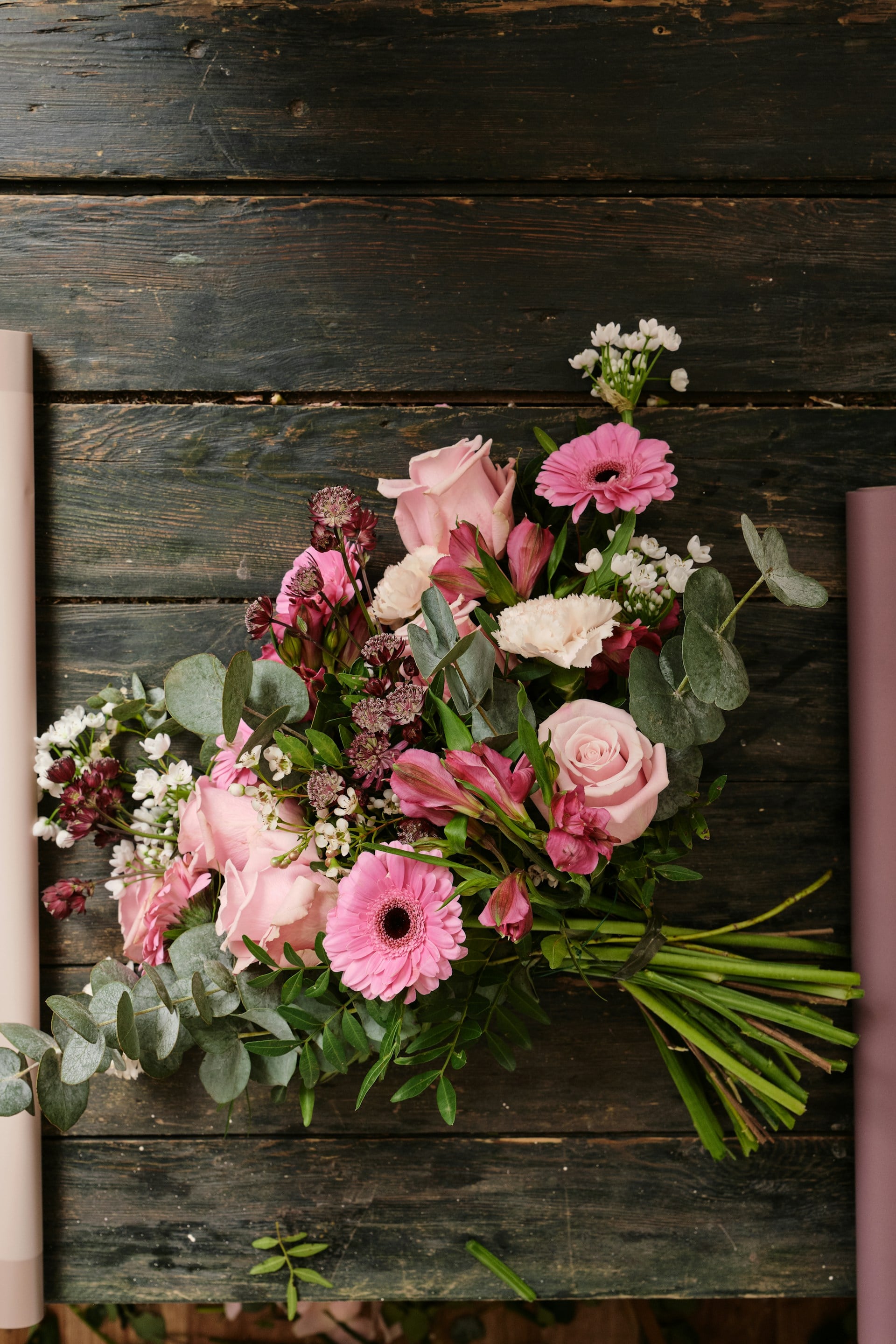
Image by Unsplash / Andrej Lišakov
Need help right now? We're here 24/7.
Flowers have always been a part of how we honour the people we’ve lost. They bring beauty into a space that can feel heavy with grief, and for many families, choosing the right arrangement is a quiet act of love - a way of saying something when words feel inadequate.
If you’re selecting flowers for a funeral, memorial service, or Celebration of Life, this guide can help you understand the traditional meanings behind popular blooms and choose something that feels true to the person being remembered.
The Meaning Behind the Flowers
Every flower carries its own symbolism, and while these meanings are rooted in tradition rather than rules, they can help guide your choice.
Lilies are one of the most common funeral flowers, and for good reason. White lilies symbolize purity, peace, and the restoration of innocence - a gentle wish for the person who has passed. Pink and yellow lilies can express sympathy, gratitude, or warmth.
Roses carry meaning through their colour. Red roses speak to deep love and devotion. White roses represent reverence and purity. Pink roses express sympathy and appreciation, while yellow roses can honour a friendship or bring a sense of brightness and joy.
Carnations are long-lasting and quietly elegant. White carnations are a traditional symbol of innocence and sympathy. Pink carnations represent love and remembrance, and red carnations convey admiration and deep affection.
Chrysanthemums hold different meanings depending on cultural context. In Western traditions, white chrysanthemums are associated with mourning and purity. In many East Asian cultures, they represent longevity and honour, and are a deeply respectful choice for a funeral.
Gladioli symbolize strength of character, sincerity, and remembrance. Their tall, elegant stems make a striking visual impression and are often included in standing arrangements.
Hydrangeas convey heartfelt emotion - sympathy, understanding, and devotion. White hydrangeas suggest purity, while blue hydrangeas bring a sense of calm and tranquility.
Orchids are associated with elegance, refinement, and enduring love. White orchids represent purity, and purple orchids express deep respect and sympathy.
Of course, these are traditional interpretations. The most meaningful choice is often the simplest: a flower your loved one truly enjoyed, something from their garden, or a bloom that reminds the family of who they were.
Reflecting the Person, Not Just the Occasion
The best funeral flowers aren’t chosen from a catalogue - they’re chosen with someone specific in mind.
For someone who was warm, vibrant, and full of life, a colourful arrangement with mixed blooms - roses, lilies, hydrangeas - can capture that energy. For a person known for their gentleness or quiet strength, a more subdued palette of whites and soft greens creates a sense of calm and serenity. If your loved one was passionate about nature or gardening, incorporating wildflowers, greenery, or seasonal branches can feel more personal than a formal arrangement. And if they had a favourite flower - even if it’s not traditionally associated with funerals - including it is one of the most meaningful things you can do.
Types of Floral Arrangements
Beyond the flowers themselves, the style of arrangement can set the tone for the service.
Wreaths are circular arrangements that traditionally symbolize eternal life. They can be displayed on an easel near the entrance or at the front of a service and are a classic, respectful choice.
Standing sprays are large, vertical arrangements that serve as a prominent tribute, often placed near the casket or at the front of the room. They tend to have a more formal presence.
Basket arrangements offer a softer, more relaxed feel. They can be placed on a table, stand, or near a photo display, and work well for Celebrations of Life or less formal gatherings.
Live plants are a thoughtful alternative to cut flowers. A peace lily, blooming orchid, or potted hydrangea can be taken home by the family afterward and serve as a living reminder of the person who was honoured. Many families appreciate this option because it lasts well beyond the service itself.
A Few Practical Things to Keep in Mind
Check with the family. If you’re sending flowers on behalf of yourself or a group, it’s worth asking whether the family has any preferences - or whether they’ve requested donations to a cause in lieu of flowers. Some families also have allergy concerns worth knowing about.
Consider the venue. A large standing spray works beautifully in a spacious hall or church, but it may overwhelm a smaller room. If the service is being held in a home, park, or intimate community space, a modest arrangement or a potted plant may be more fitting.
Budget. Funeral flowers range widely in price, and a meaningful tribute doesn’t need to be expensive. A simple, well-chosen bouquet with a heartfelt card can be just as moving as an elaborate arrangement.
Timing and delivery. If you’re sending flowers to a funeral home, church, or venue, arrange for delivery well before the service begins. Your florist can usually coordinate timing if you provide the service details.
It’s the Thought That Matters Most
Choosing funeral flowers doesn’t need to feel complicated. At its heart, it’s a gesture of love and respect - a way to add beauty to a difficult moment and to show the family that their loved one mattered to you, too.
If you’re planning a service and have questions about floral arrangements, venue considerations, or how to coordinate these details, our team at Alternatives Funeral & Cremation Services is happy to help point you in the right direction.
Have questions about this?
Our team can talk through your options and what applies to your family. No cost, no obligation.
Service Type
funeral
memorial
Related reading
Memorialization
Green Burial in British Columbia: A Natural Return to the Earth
British Columbia is one of the best places in Canada to explore this option. Here's what green buria...
Feb 16, 2026
Memorialization
How to Write an Obituary: A Practical Guide for Families
A good obituary isn't a biography. It's a portrait - a brief, honest reflection of who someone was a...
Feb 15, 2026

Memorialization
Finding the Right Venue for a Celebration of Life in British Columbia
In British Columbia, families have an extraordinary range of options. From intimate community halls...
Feb 8, 2026