We're here to help in Vancouver —
(604) 857-5779

A Practical Guide to Cemeteries: What to Know Before You Choose
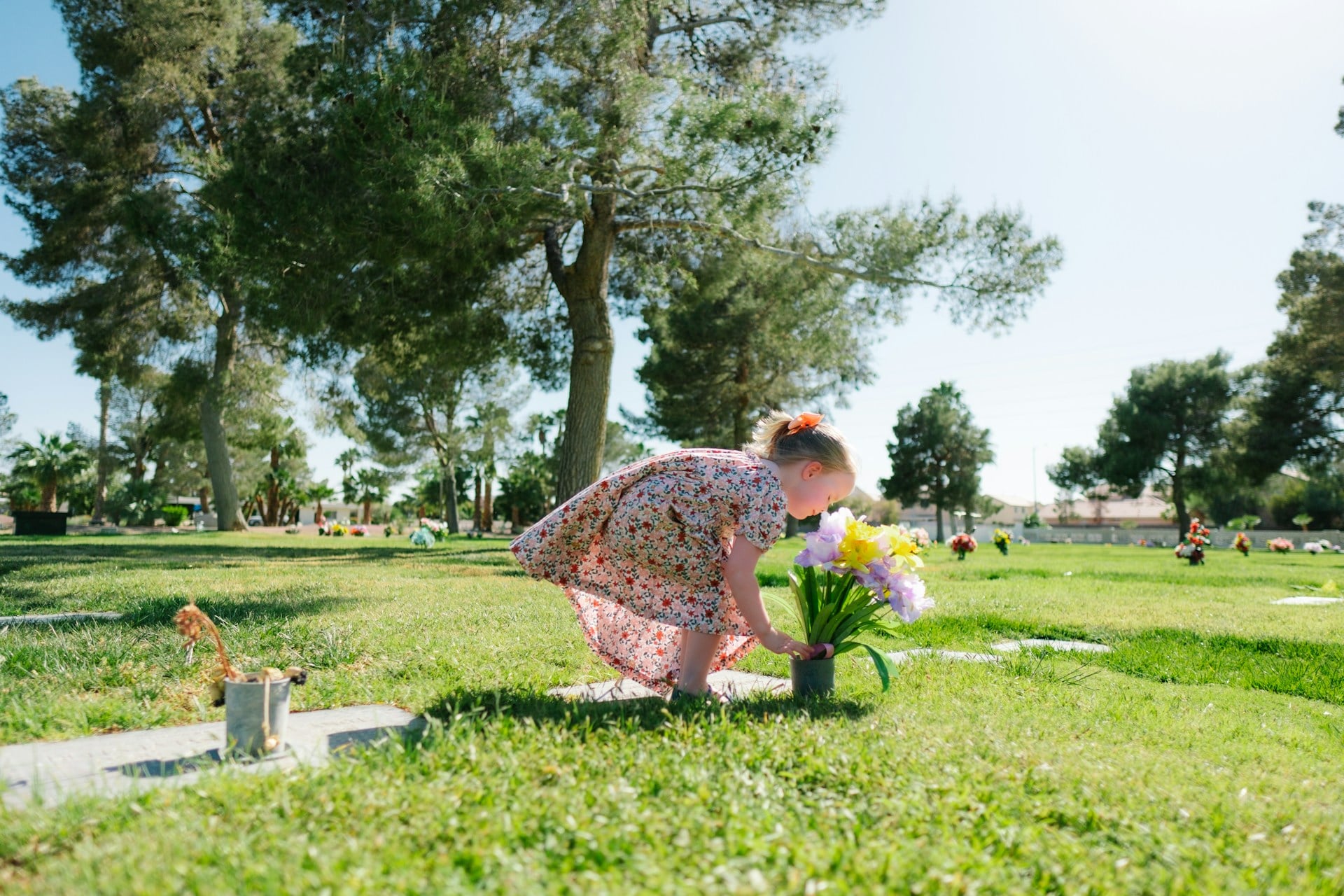
Image by Unsplash / Wesley Tingey
Need help right now? We're here 24/7.
Choosing a cemetery - whether for yourself or for someone you love - is a deeply personal decision, and it’s one that most people haven’t had to make before. There’s more to consider than you might expect: different types of cemeteries, various plot options, costs that aren’t always transparent, and rules that vary from one cemetery to the next.
This guide is meant to help you understand the landscape so you can make a choice that feels right - one that honours your loved one, reflects your family’s values, and respects your budget.
Types of Cemeteries
Not all cemeteries are the same. Understanding the differences can help you narrow down what matters most to your family.
Traditional cemeteries are the most familiar - rows of headstones and monuments marking individual gravesites. They often have a formal, structured appearance and may be operated privately, by a municipality, or by a religious organization.
Memorial parks take a more landscaped, park-like approach, often featuring flat markers rather than upright headstones, along with gardens, walking paths, and cremation memorialization options. The aesthetic tends to be more open and serene.
Green cemeteries are designed with sustainability in mind. They use biodegradable burial containers, skip chemical embalming, and allow the land to remain as natural as possible. At Alternatives, we’re proud to be one of only a few funeral homes in Canada rated by the Green Burial Council - so if this approach resonates with your family, we can help you find the right fit.
Community and religious cemeteries serve specific cultural, faith-based, or fraternal communities. If your family’s traditions call for burial within a particular community, these cemeteries provide a space rooted in shared values and customs.
Municipal (public) cemeteries are owned and maintained by local governments. They typically offer a range of burial and cremation options at competitive prices and serve the broader public without religious or community restrictions.
Plot Options: What’s Available
Once you have a sense of the type of cemetery that suits your needs, you’ll want to understand the specific plot options available.
Single plot. Space for one casket burial. This is the most straightforward and common option.
Companion plot. Two side-by-side plots, typically chosen by couples or close family members who wish to be buried together.
Family plot. A larger designated area that accommodates multiple burials within the same family, allowing generations to rest in the same location.
Cremation plot. A smaller plot designed for the burial of cremated remains. With British Columbia’s cremation rate among the highest in the country, many cemeteries now offer dedicated cremation sections and gardens.
Columbarium niche. An individual compartment within a wall or structure designed to hold an urn. Columbaria can be indoors or outdoors and offer a permanent, low-maintenance memorialization option.
Mausoleum space. A compartment within an above-ground building for casket entombment. Mausoleums provide a sheltered, permanent alternative to in-ground burial.
Understanding the Costs
Cemetery pricing can be confusing, and the plot itself is only part of the total expense. Here’s what to be aware of:
The plot price varies depending on location, size, and type. Urban cemeteries and those in prime locations tend to be more expensive. Cremation plots and niches are generally the most affordable; mausoleum spaces and family plots are typically the most costly.
Opening and closing fees cover the labour of preparing and filling the gravesite. These are charged each time a burial takes place and can range from several hundred to over a thousand dollars.
Maintenance or endowment fees are charged by some cemeteries to fund the long-term upkeep of the grounds. These may be a one-time payment or an ongoing annual charge.
Monument and marker costs are often separate from the plot price. Cemeteries may have specific rules about size, material, and design - so check the regulations before purchasing a headstone independently.
Administrative fees for paperwork, transfers, or changes to the deed can also add up.
The key takeaway: always ask for a full, itemized breakdown of costs before committing. A reputable cemetery will be transparent about every charge.
What to Watch Out For
Most cemeteries operate with integrity, but it’s worth going in informed.
Understand what you’re buying. Purchasing a burial plot is not the same as buying a piece of land. You’re purchasing the right of interment - the right to be buried in a specific location - subject to the cemetery’s rules about monuments, decorations, and use.
Read the rules carefully. Every cemetery has its own regulations governing what can be placed on or near a gravesite, including flowers, decorations, and monuments. Knowing these upfront helps avoid surprises later.
Don’t be pressured into extras. If someone tells you a particular product or service is “legally required” and it doesn’t feel right, ask questions. A trustworthy provider will give you honest, accurate information and respect your budget.
Ask about all fees. The plot price alone rarely tells the full story. Ask specifically about opening and closing fees, maintenance fees, marker installation, and any other charges that apply.
Think carefully about prepurchasing. Buying a plot in advance can lock in today’s price and relieve your family of a future decision - but it’s not always the right move. If your family may relocate, or if your preferences could change over time, weigh the flexibility you’d be giving up. Also ask about the cemetery’s policies on refunds or transfers before you commit.
Alternatives to Traditional Burial
Burial is one option among several, and more families are exploring paths that feel right for their values and circumstances.
Cremation is by far the most common choice in British Columbia. Cremated remains can be buried in a cemetery plot, placed in a columbarium niche, scattered in a meaningful location, kept at home, or incorporated into a living memorial or keepsake. The flexibility is part of what draws many families to this option.
Green burial uses biodegradable materials - no chemical embalming, no concrete vault, no hardwood or metal casket. The body is returned to the earth as naturally as possible. It’s a growing choice for families who care about environmental sustainability.
Aquamation (water-based cremation) is a newer option that uses water and alkaline solution to gently reduce the body to bone fragments, which are returned to the family. It has a lower environmental footprint than traditional cremation and is gaining availability in parts of Canada, like Saskatchewan. This is not available in British Columbia.
Creating a Meaningful Memorial
However you choose to memorialise your loved one, the goal is the same: to create a space - physical or otherwise - that honours their life and gives family a place to remember.
Headstones and markers come in a wide range of styles, materials, and price points. Choose something that reflects the person being remembered, whether that’s traditional and formal or simple and understated.
Benches and plaques near the gravesite offer a place for quiet reflection. Some families find this a more personal alternative to a traditional headstone.
Landscaping and plantings - where permitted - add a living element to the memorial. Choosing flowers or plants with personal significance can make the space feel uniquely theirs.
Memorial trees are offered by some cemeteries and memorial programs, giving families a living, growing tribute that evolves over time.
We Can Help You Think It Through
Navigating cemetery options is one of many decisions families face when planning a funeral or thinking ahead. At Alternatives Funeral & Cremation Services, we work with cemeteries across Metro Vancouver, the Fraser Valley, and beyond - and we can help you understand your options, compare costs, and find the right fit for your family.
Whether you’re leaning toward burial, cremation, green options, or something you haven’t quite decided yet, our team is here with honest guidance and no pressure. We come to you, in your home or wherever you feel most comfortable, because we believe these conversations deserve a supportive, unhurried space.
Have questions about this?
Our team can talk through your options and what applies to your family. No cost, no obligation.
Service Type
funeral
graveside
green
Related reading

Planning Ahead
Choosing an Executor: Who to Name and Why It Matters
How to choose an executor: what the role actually demands, who to name, who to avoid, and what to te...
Jun 6, 2026

Planning Ahead
Cryptocurrency and Digital Assets: The Estate Planning Gap
Cryptocurrency and digital assets are invisible to an executor without a plan. What to record, and h...
May 23, 2026

Planning Ahead
How to Create a Will in British Columbia: A Step-by-Step Guide
How to make a legally valid will in British Columbia, what it must contain, and the choices worth th...
May 2, 2026