We're here to help in Vancouver —
(604) 857-5779

Selling or Transferring Estate Property in British Columbia

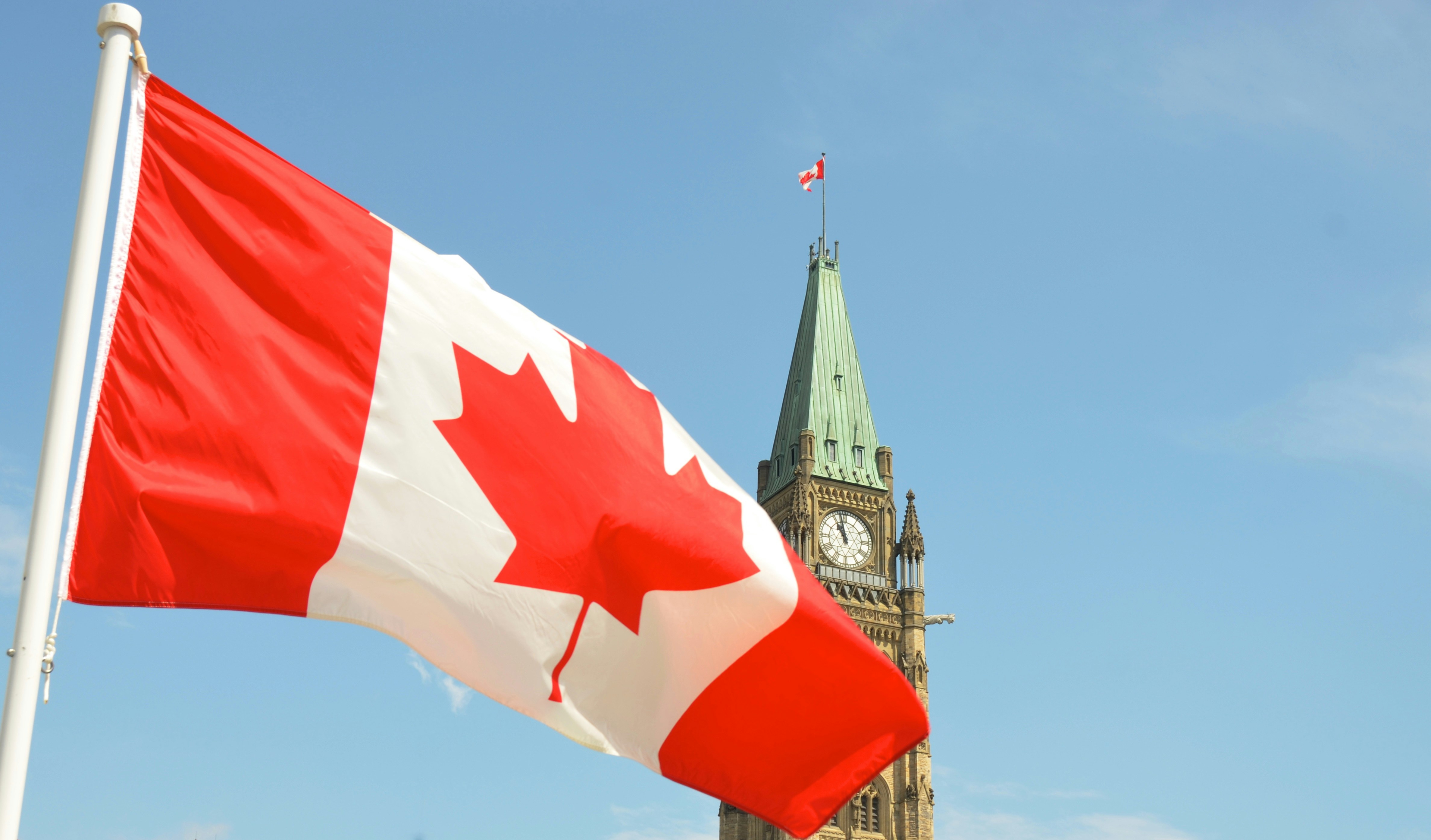
Image by Unsplash / Hans
Need help right now? We're here 24/7.
For most estates in this province, the family home is the largest single asset - and dealing with it is the most consequential decision an executor makes. It’s also the step most likely to trigger disagreement among beneficiaries, tax consequences nobody anticipated, and delays that stretch the estate out by months.
Here’s what’s involved in transferring or selling real property in a BC estate.
First: How Was the Property Held?
Before anything else, determine how title was registered. It changes everything.
Joint tenancy with right of survivorship. The property passes automatically to the surviving joint owner on death. It does not form part of the estate, it isn’t governed by the will, and it isn’t included in the probate fee calculation. The survivor files a Transmission to Surviving Joint Tenant with the Land Title Office, supported by a death certificate. This is comparatively simple.
Tenancy in common. The deceased’s share forms part of the estate and passes under the will (or under intestacy rules). The surviving co-owner keeps their share; the estate deals with the deceased’s portion. This usually requires probate.
Sole ownership. The property forms part of the estate in full. A grant of probate or grant of administration will almost certainly be required before title can be dealt with.
You can confirm how title is held through a title search at the Land Title and Survey Authority of British Columbia.
You’ll Almost Certainly Need Probate
The BC Land Title Office will not transfer title out of a deceased sole owner’s name without a representation grant. There’s no workaround for this.
This is the single most common reason estates in BC require probate. If the deceased owned real property in their own name, plan for it - see our guide to what probate is and whether you need it.
Note the timing implication: probate commonly takes three to six months. You can list and market a property during that period, and in some cases accept a conditional offer, but you generally cannot complete a sale until the grant is in hand. Be honest with buyers and your realtor about the timeline.
Protecting the Property in the Meantime
From the date of death until the property is transferred or sold, the executor is responsible for preserving it.
Insurance is the urgent one. Most home insurance policies treat a vacant property differently - coverage may be reduced or void after a specified period of vacancy, often 30 days. Notify the insurer immediately that the property is unoccupied and arrange appropriate vacancy coverage. An uninsured loss on an estate property is a serious problem for an executor.
Keep paying the carrying costs. Property taxes, utilities, strata fees, and mortgage payments continue. These are estate expenses and are paid from estate funds.
Maintain the appearance of occupancy. Clear snow, mow the lawn, collect mail, put lights on timers. Vacant properties attract break-ins.
Secure it. Change the locks if keys are unaccounted for. Remove valuables and documents.
Address BC’s vacancy taxes. The provincial Speculation and Vacancy Tax and, in the City of Vancouver, the Empty Homes Tax both require annual declarations. Exemptions exist for properties held in an estate, but they generally must be claimed - missing a declaration can result in a substantial assessment. Check the requirements for the relevant year.
Transferring to a Beneficiary
If the will leaves the property to a specific beneficiary, or the beneficiaries agree that one of them will take it, the property is transferred rather than sold.
The mechanics. Once you have the grant, the transfer is registered at the Land Title Office, typically prepared by a lawyer or notary. Registration fees apply.
Property transfer tax. BC charges property transfer tax on most transfers, but there is an exemption for a transfer to a beneficiary under a will or on an intestacy. The transfer must genuinely be a distribution of the estate - not a sale dressed up as one. A lawyer or notary will confirm whether the exemption applies.
Fairness among beneficiaries. If one beneficiary receives the house and others receive cash, the valuation matters enormously. Get a professional appraisal as of the date of death. Don’t rely on a realtor’s informal opinion or a property assessment notice - the BC Assessment value is frequently well off market value.
Existing mortgage. A mortgage doesn’t disappear. The beneficiary receiving the property will generally need to qualify to assume it or arrange new financing. Work this out before committing to the transfer.
Selling the Property
If the property is to be sold - because the will directs it, because beneficiaries want cash, or because it’s needed to pay debts - the executor manages the sale.
Get a proper valuation. You need a date-of-death fair market value for tax purposes regardless of when you sell. An appraisal from a certified appraiser is the most defensible.
Choose a realtor with estate experience. Estate sales have particular quirks - conditional timelines around probate, multiple decision-makers, properties needing clearing. Experience matters.
Clear the property thoughtfully. Personal effects need to be dealt with before sale. This is often the most emotionally difficult part for families, and it’s worth allowing time for it. Beneficiaries should have the opportunity to identify items they want before anything is disposed of.
Disclose what you know - and what you don’t. Executors typically have limited personal knowledge of the property, and BC’s Property Disclosure Statement allows an executor to indicate this. Don’t guess. Your lawyer can advise on how to handle disclosure appropriately.
Deposit proceeds into the estate account. Never into your personal account, and never distributed directly to beneficiaries before debts and taxes are settled.
The Tax Consequences
This catches families off guard more than any other aspect.
Deemed disposition at death. For tax purposes, the deceased is treated as having disposed of their capital property at fair market value immediately before death. Any accrued capital gain is reported on the final tax return.
The principal residence exemption. If the property was the deceased’s principal residence throughout their ownership, the gain is generally exempt. The exemption must be claimed properly on the final return.
Properties that aren’t the principal residence. A rental property, a vacation property, or a second home will typically generate a capital gain - half of which is taxable - payable by the estate. On a property held for decades in BC’s market, this can be a very large number. Plan for it before distributing anything.
Gains after death. If the property increases in value between the date of death and the date of sale, that further gain is taxed in the estate.
Get a clearance certificate. Before final distribution, request a clearance certificate from the CRA confirming all taxes are paid. Distributing without one can leave you personally liable for unpaid tax.
This is an area where an accountant with estate experience genuinely pays for themselves.
When Beneficiaries Disagree
Property is where estate conflict most often surfaces. One sibling wants to keep the family home; another needs the cash. Someone has been living in the house. Someone thinks the valuation is too low.
Your obligation as executor is to act even-handedly and follow the will. You are not obliged to satisfy everyone, and you shouldn’t let one beneficiary’s pressure override your duty to the estate as a whole.
Practical steps that help: obtain an independent professional appraisal, communicate in writing, document every decision and the reasoning behind it, and consider mediation before anyone reaches for a lawyer.
See our guide to navigating conflict during estate settlement.
Who You’ll Need
A lawyer or notary to prepare and register the transfer, and to advise on probate and disclosure.
An accountant to handle the deemed disposition, the principal residence exemption, and the clearance certificate.
A certified appraiser for a defensible date-of-death valuation.
A realtor experienced with estate sales, if you’re selling.
All of these are estate expenses, payable from estate funds.
We Take Care of the First Step
At Alternatives Funeral & Cremation Services, we register the death and provide the certified death certificates required for the title search, the transmission application, the probate filing, and the insurance notification.
If you’re an executor facing a property decision and you’re not sure what order things need to happen in, we’re happy to help you think through the sequence.
Learn more at myalternatives.ca
This article provides general information about estate property in British Columbia. Tax rules and land title requirements are complex and change over time. For advice about a specific estate, consult a qualified estate lawyer and accountant.
Have questions about this?
Our team can talk through your options and what applies to your family. No cost, no obligation.
Related reading
Estate Administration
The CPP Death Benefit: How to Apply and What to Expect
Jul 1, 2026

Estate Administration
The Administrative Burden of Death: What Nobody Warns You About
The paperwork that follows a death in BC: what has to be done, in what order, and roughly how long e...
Jun 27, 2026

Estate Administration
Is This Will Valid? What Makes a Will Legally Binding in British Columbia
What makes a will legally binding in British Columbia, the mistakes that invalidate one, and what th...
Jun 20, 2026