We're here to help in Vancouver —
(604) 857-5779

Is This Will Valid? What Makes a Will Legally Binding in British Columbia
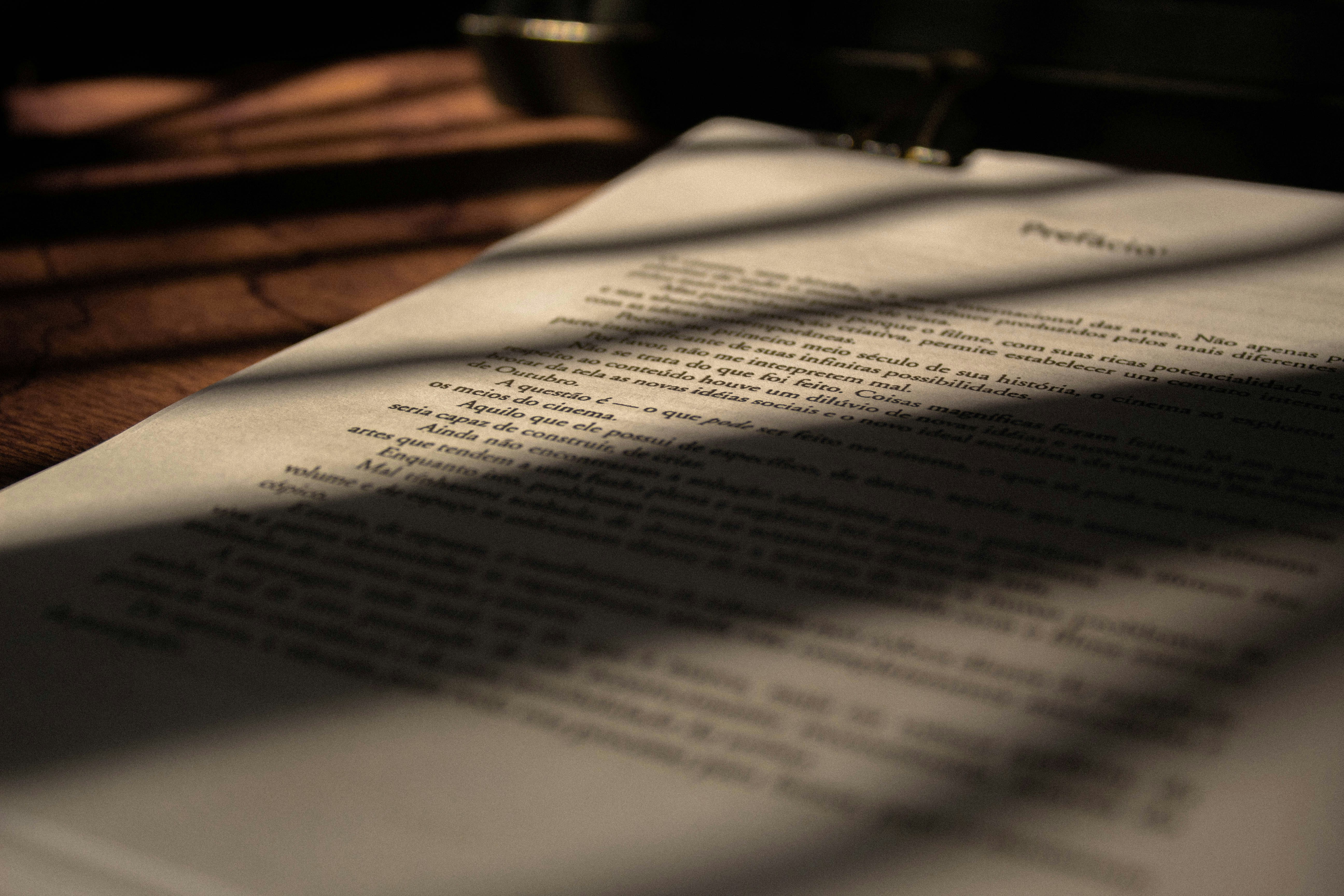
Image by Unsplash / Bruno Fernandes
Need help right now? We're here 24/7.
You’ve found the will. That’s a relief - but it raises a new question: is it actually valid?
A will that doesn’t meet the legal requirements can be challenged, delayed, or set aside entirely. Knowing what a valid BC will looks like helps you understand what you’re working with, and helps you recognise when you need a lawyer’s opinion.
The Basic Requirements
In British Columbia, the Wills, Estates and Succession Act (WESA) sets out what a valid will requires. A will is properly executed when:
It’s in writing. BC does not recognise purely verbal wills. The will must exist as a written record - traditionally on paper, though since December 2021 BC also permits properly executed electronic wills.
It’s signed by the will-maker at the end of the document. The signature must appear at the end. Anything written after the signature may not be given effect.
Two witnesses are present at the same time. Both witnesses must be present together when the will-maker signs (or acknowledges their signature).
The witnesses sign in the will-maker’s presence. After watching the will-maker sign, both witnesses sign the will while the will-maker is present.
The will-maker was at least 16 years old. BC sets the minimum age at 16, which is younger than many provinces.
The will-maker had mental capacity. They must have understood that they were making a will, known roughly what they owned, understood who might reasonably expect to benefit, and been free from any disorder of the mind affecting those decisions.
Who Can - and Can’t - Be a Witness
This trips up more families than any other issue.
A witness must be at least 19 and capable of understanding what they’re witnessing. But critically: a beneficiary should never witness a will, and neither should a beneficiary’s spouse.
If they do, the will itself usually remains valid - but the gift to that witness (or their spouse) is presumed void. The court can restore the gift if it’s satisfied the will-maker genuinely intended it, but that requires an application and legal costs.
The executor, on the other hand, can witness the will, provided they aren’t also receiving a gift under it.
Holograph Wills - Not Recognised in BC
Some provinces accept a holograph will: a will written entirely in the deceased’s own handwriting and signed by them, with no witnesses. Alberta, Saskatchewan, Manitoba, Ontario, Quebec, New Brunswick, and Newfoundland all recognise them in some form.
British Columbia does not. A handwritten, unwitnessed will does not meet BC’s formal requirements.
That said - see the next section, because it may not be the end of the story.
The Curative Provision: When Imperfect Documents Can Still Count
WESA contains one of the most flexible provisions in Canadian succession law. Under section 58, the BC Supreme Court can order that a document be treated as a valid will even if it doesn’t meet the formal requirements - as long as the court is satisfied it represents the deceased’s genuine testamentary intentions.
Courts have used this provision to validate:
Handwritten notes
Unsigned draft wills prepared by a lawyer
Electronic documents and files
Marked-up copies of earlier wills
This is genuinely powerful. But it’s not automatic. It requires a court application, evidence, and legal representation - and the court may decline. If you’ve found something that looks like a will but doesn’t meet the formal requirements, don’t discard it. Show it to an estate lawyer.
Making Sure You Have the Most Recent Will
A valid will is only useful if it’s the current one. A later will generally revokes an earlier one.
To confirm you have the most recent version:
Run a Wills Notice Search. The BC Vital Statistics Agency’s registry will show every Wills Notice the deceased filed, with dates. This is required before applying for probate anyway.
Check the date and revocation clause. Most professionally drafted wills open with a clause revoking all previous wills.
Look for codicils. A codicil is a separate document amending an existing will. It must meet the same execution requirements. Check whether any are attached or stored with the will.
Search thoroughly for later documents. If you find a will from 1998 but the person clearly reorganised their affairs in 2015, keep looking.
Events That Can Change a Will’s Effect
Marriage. Under current BC law, marriage does not revoke a will. This changed with WESA in 2014 - before that, it did. If you’re dealing with an older will and an older death, the rules may differ.
Separation or divorce. When spouses separate or a marriage ends, gifts to the former spouse and their appointment as executor are generally revoked, as though they had died first. The rest of the will stands.
A beneficiary dies first. WESA’s anti-lapse provisions may redirect the gift to that beneficiary’s descendants, depending on the relationship and the will’s wording.
When a Valid Will Can Still Be Challenged
Even a technically perfect will can be contested. The most common grounds in BC:
Wills variation claims. This is BC’s most distinctive feature. Under WESA section 60, a spouse or child of the deceased can ask the court to vary the will if it doesn’t make adequate provision for them. BC courts have real discretion here, and successful claims are not unusual - this province is considerably more generous to disinherited spouses and children than most.
The deadline is strict: a claim must be filed within 180 days of the grant of probate, and served within 30 days after that.
Lack of capacity. A claim that the will-maker didn’t understand what they were doing.
Undue influence. A claim that someone pressured or coerced the will-maker. Where the will-maker was dependent on the person who benefited, the burden may shift to that person to prove there was no undue influence.
Improper execution. A claim that the formal requirements weren’t met.
What to Do With the Original
Once you’ve located the original will, protect it:
Don’t remove staples, paperclips, or bindings. The court may ask about anything suggesting a page was removed or added.
Don’t write on it or mark it.
Don’t make notes in the margins.
Keep it somewhere secure until it’s filed with the court.
The original document is filed with the BC Supreme Court as part of the probate application.
When You Need a Lawyer
Talk to an estate lawyer if:
The will doesn’t clearly meet the formal requirements
You’ve found handwriting, notes, or a draft that might qualify under section 58
A beneficiary or their spouse witnessed the will
Multiple wills exist and the sequence is unclear
You only have a copy
Anyone has raised concerns about capacity or undue influence
A spouse or child has been left out, or left significantly less than others
Once you’re confident you have a valid will, the next step is usually determining whether the estate requires probate - see our guide to what probate is and whether you need it in BC.
We Can Help with the Practical Foundation
At Alternatives Funeral & Cremation Services, we can’t tell you whether a will is valid - that’s a question for a lawyer. But we can handle the groundwork that everything else depends on: registering the death, obtaining the Medical Certificate of Death, and ordering the certified death certificates you’ll need for the Wills Notice Search, the probate application, and every institution you’ll deal with.
Learn more at myalternatives.ca
This article provides general information about will validity in British Columbia. For advice about a specific will, consult a qualified estate lawyer.
Have questions about this?
Our team can talk through your options and what applies to your family. No cost, no obligation.
Related reading
Estate Administration
The CPP Death Benefit: How to Apply and What to Expect
Jul 1, 2026

Estate Administration
The Administrative Burden of Death: What Nobody Warns You About
The paperwork that follows a death in BC: what has to be done, in what order, and roughly how long e...
Jun 27, 2026

Estate Administration
When Families Disagree: Navigating Conflict During Estate Settlement
Why estates cause family conflict, how to keep disagreements from escalating, and what a wills varia...
May 16, 2026