We're here to help in Vancouver —
(604) 857-5779

Hidden Costs in Funeral Planning: What Families Should Know
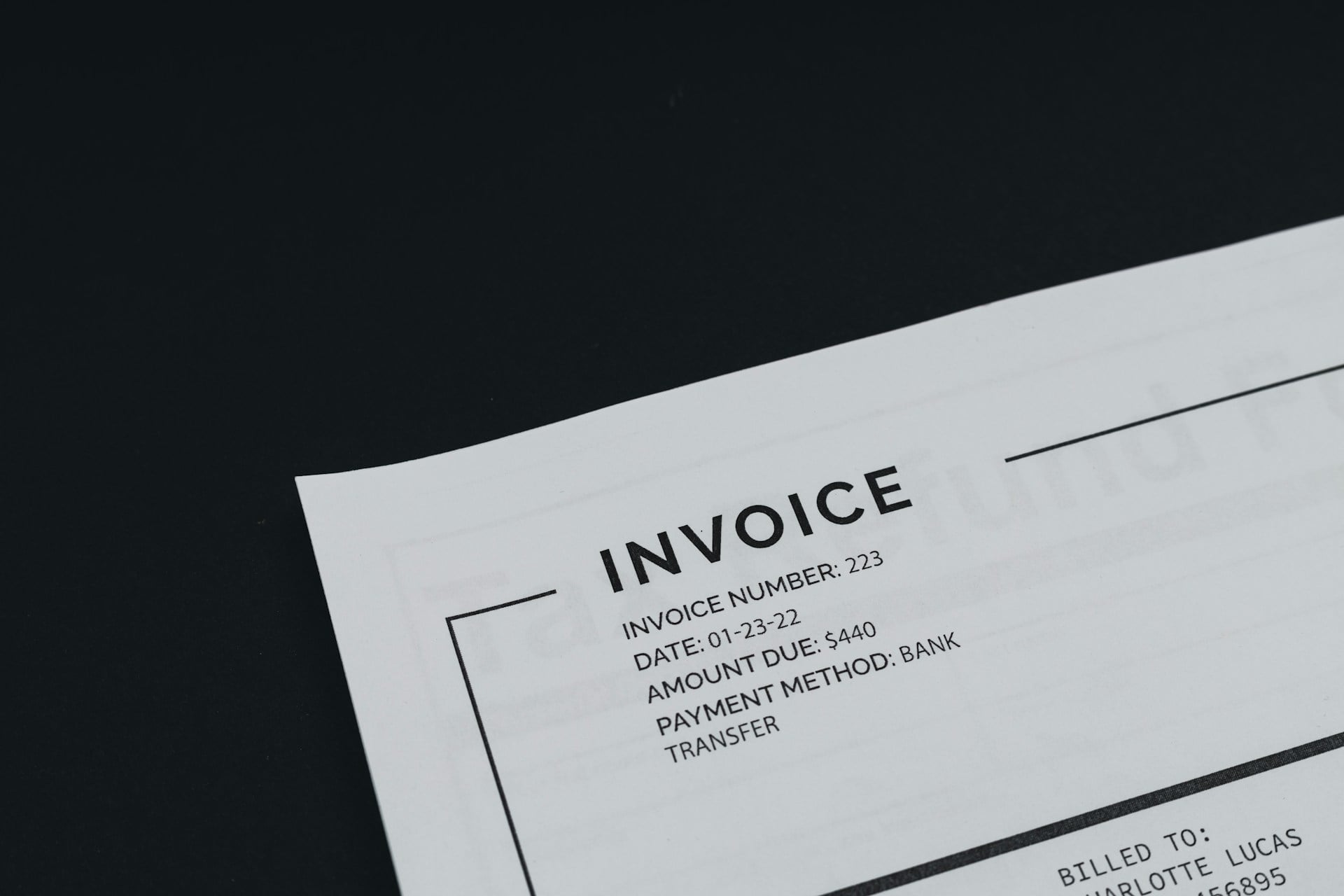
Image by Unsplash / Behnam Norouzi
Need help right now? We're here 24/7.
Nobody wants to think about money while they’re grieving. But the reality is that funeral costs can add up quickly - and some of the most significant expenses aren’t always obvious from the initial quote. When fees appear one by one throughout the planning process, it can feel like the ground keeps shifting beneath you at a time when you need stability most.
Understanding where hidden costs tend to arise isn’t about being cynical. It’s about being prepared - so you can make informed decisions, protect your budget, and focus on what truly matters: honouring the person you’ve lost.
Where Hidden Costs Tend to Show Up
Transportation
The initial quote from a funeral home may cover the basic transfer of your loved one into their care, but additional transportation charges can follow. These might include transfers to a crematorium or cemetery, the use of a hearse for a funeral procession, or mileage fees if the death occurred outside the funeral home’s usual service area.
At Alternatives, transportation is included in our simple cremation package - but not every provider works this way. Always ask whether the quoted price covers all necessary transfers, or whether there are additional charges depending on distance or destination.
Embalming and Body Preparation
Embalming is sometimes presented as a standard step, but in many cases it’s not legally required - particularly if the family chooses cremation or a closed-casket service. When it is performed, the cost can range from $500 to $1,000 or more.
Beyond embalming, there may be separate charges for dressing, cosmetic preparation, and hairstyling. These services can add several hundred dollars to the final bill. If your family is considering a viewing, ask specifically what preparation costs are included and what will be charged separately.
Caskets and Urns
Caskets are often the single largest line item in a funeral, with prices ranging from a few hundred dollars for a simple model to several thousand for a high-end option. Funeral homes are required to show you a range of options, but the most affordable choices aren’t always displayed prominently.
It’s also worth knowing that in Canada, you have the right to purchase a casket or urn from a third-party supplier and have it delivered to the funeral home. This can sometimes be more cost-effective than purchasing directly from the provider.
For cremation, an ornate casket isn’t necessary. A simple, combustible cremation container is all that’s required - and choosing one can save your family thousands.
Obituaries and Death Notices
Publishing an obituary in a newspaper can be more expensive than families expect, particularly if the notice is lengthy or includes a photograph. Some papers charge by the word or line; others have flat rates for different sizes. A full obituary in a major daily can easily cost several hundred dollars.
Online obituaries, community boards, and social media announcements offer alternatives that are often free or much less expensive. Your funeral director can help you decide what makes sense for your family.
Flowers
Floral arrangements add beauty and warmth to a service, but costs can climb quickly - especially for large or custom arrangements. If the family is managing a tight budget, it’s worth discussing floral options with your funeral director and setting clear expectations upfront.
Some families choose to request donations to a meaningful cause in lieu of flowers, which is a thoughtful alternative. If you go this route, be clear about how donations will be collected. Some funeral homes charge a fee for managing memorial donations on the family’s behalf - so ask about this before committing.
Cemetery Fees
If burial is part of your plans, the cemetery costs are often separate from the funeral home’s charges - and they can be substantial:
Plot or niche purchase varies widely depending on the cemetery, its location, and whether you’re choosing an in-ground plot or a columbarium niche.
Opening and closing fees - the cost of preparing and filling the grave - can range from several hundred to well over a thousand dollars, and are charged each time a burial takes place.
Headstones and markers are typically an additional purchase, with costs depending on material, size, and design. Some cemeteries have rules about what types of markers are permitted, so check before buying independently.
Maintenance or endowment fees may be charged as a one-time payment or an ongoing annual cost for the long-term upkeep of the grounds.
Catering and Reception
Many families gather after the service to share food, stories, and support. If the reception is held at the funeral home, a church hall, a restaurant, or a community centre, there may be rental fees, catering charges, and other costs to account for.
This is an area where planning ahead - and asking for a detailed quote - can prevent surprises. Some venues are free or very affordable; others can add a significant amount to the overall cost.
Administrative and Legal Fees
Beyond the funeral itself, there are administrative costs that can catch families off guard: probate court fees, legal fees for estate settlement, and the cost of ordering multiple certified copies of the death certificate. While these aren’t charged by the funeral home, they’re part of the overall financial picture that families need to be aware of.
Your funeral director can advise on how many death certificates to order, and an estate lawyer can help you understand the legal costs involved.
How to Protect Yourself
Ask for a full, itemised price list. Funeral providers in Canada are required to provide this. Review it carefully, and don’t hesitate to ask about anything that isn’t clear.
Ask what’s included - and what’s not. The most important question you can ask any funeral provider is: “Is this the total cost?” If the answer involves qualifiers, keep asking until you have a complete picture.
Know your rights. You are not required to purchase a casket from the funeral home. You are not required to choose embalming in most situations. And you have the right to clear, honest answers about every charge.
Consider your options. Direct cremation - without a preceding viewing or formal ceremony - is the most affordable option for many families. It doesn’t mean you can’t hold a meaningful service; it simply means the service happens separately, on your own timeline and terms.
Plan ahead when you can. Preplanning and prepaying for arrangements locks in today’s prices and removes the burden of last-minute decision-making from your family. It’s one of the most practical gifts you can give the people you love.
What Transparent Pricing Looks Like
At Alternatives Funeral & Cremation Services, we’ve built our entire approach around the principle that families deserve honest, upfront pricing - with no hidden fees and no surprises. Our simple cremation service is all-inclusive: transportation, cremation, and a basic urn, all covered in one clear price. Additional services - memorial gatherings, urns, death certificates, and more - are available and clearly priced, so you always know what you’re paying for.
We come to you in your home to make arrangements, which means there’s no pressure to make decisions in an unfamiliar environment. And because we’ve been doing this since 1992, we know that trust starts with honesty - especially about money.
Have questions about this?
Our team can talk through your options and what applies to your family. No cost, no obligation.
Service Type
cremation
funeral
graveside
green
Related reading

Planning Ahead
Choosing an Executor: Who to Name and Why It Matters
How to choose an executor: what the role actually demands, who to name, who to avoid, and what to te...
Jun 6, 2026

Planning Ahead
Cryptocurrency and Digital Assets: The Estate Planning Gap
Cryptocurrency and digital assets are invisible to an executor without a plan. What to record, and h...
May 23, 2026

Planning Ahead
How to Create a Will in British Columbia: A Step-by-Step Guide
How to make a legally valid will in British Columbia, what it must contain, and the choices worth th...
May 2, 2026