We're here to help in Vancouver —
(604) 857-5779

Cremation and the Catholic Church: What Families Need to Know
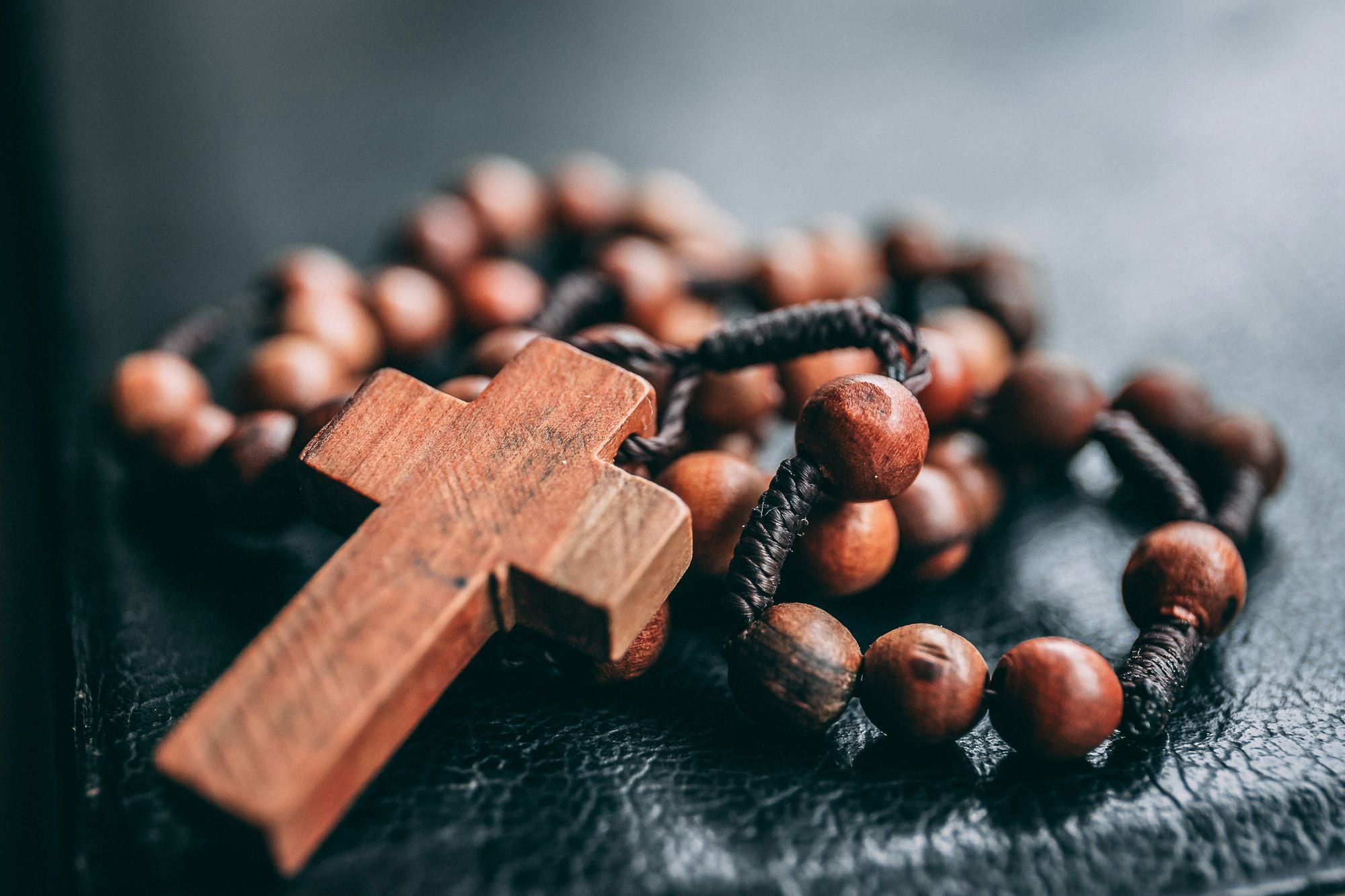
Image by Unsplash / James Coleman
Need help right now? We're here 24/7.
For Catholic families facing the loss of a loved one, navigating funeral arrangements within the teachings of the Church can feel like a lot to manage - especially when cremation is being considered. There are questions about what’s permitted, what’s preferred, and how to ensure everything is done with the respect and reverence the faith calls for.
The short answer is that the Catholic Church does permit cremation, though with specific guidelines about how the cremated remains should be treated. Understanding those guidelines - and working closely with your parish priest - allows families to plan a farewell that honours both their loved one and their faith.
The Church’s Position: A Brief History
For most of its history, the Catholic Church strongly preferred burial, rooted in the belief in the resurrection of the body and the understanding that the body is a temple of the Holy Spirit. Cremation was formally prohibited for Catholics for centuries.
That changed in 1963, when the Vatican issued a decree stating that cremation is not inherently opposed to Catholic faith - provided it is not chosen as a rejection of the belief in bodily resurrection. In 1997, the Church went further, permitting the funeral Mass to be celebrated in the presence of cremated remains.
However, in 2016, the Vatican’s Congregation for the Doctrine of the Faith issued an important instruction reinforcing that while cremation is allowed, the cremated remains must be treated with the same reverence as a body. This means there are specific expectations about what can and cannot be done with the ashes - and these are worth understanding before you make your plans.
Key Guidelines for Catholic Cremation
The Funeral Mass Comes First (When Possible)
The Church’s preference is that the body be present for the funeral Mass, with cremation taking place afterward. This allows the full funeral liturgy - the prayers, readings, incensing of the body, and the commendation - to proceed as it traditionally would. Many Catholic families choose this approach.
That said, if circumstances require cremation before the Mass, the funeral liturgy can still take place in the presence of the cremated remains. Your parish priest can advise on what’s appropriate for your situation.
The Remains Must Be Kept Intact
Catholic teaching requires that cremated remains be kept together and laid to rest in a sacred place - a Catholic cemetery, a columbarium, or a mausoleum. The Church does not permit the scattering of ashes, the division of remains among family members, or the keeping of ashes at home as a permanent arrangement.
This is rooted in the Church’s reverence for the body and the belief that the remains deserve a dignified, permanent resting place where the faithful can visit and pray.
A Sacred Resting Place
Appropriate options for the disposition of cremated remains within Catholic practice include:
Burial in a Catholic cemetery. Many Catholic cemeteries have dedicated sections for the interment of cremated remains, either in the ground or in a cremation garden.
Placement in a columbarium. A columbarium - a structure with individual niches for urns - is available at many Catholic cemeteries and some parish churches. This provides a permanent, consecrated resting place.
Entombment in a mausoleum. In some cases, cremated remains may be placed in a family mausoleum or a community mausoleum within a Catholic cemetery.
Planning a Catholic Funeral with Cremation
Even with cremation, the Catholic funeral retains all of its spiritual depth and meaning. The key elements remain:
The vigil or wake. A time for family and friends to gather, pray, and pay their respects. This may take place at a funeral home, the family home, or the parish church.
The funeral Mass. The central element of a Catholic funeral, the Mass celebrates the deceased’s life in the context of faith, offers prayers for the repose of their soul, and commends them to God’s mercy. Scripture readings, hymns, a homily, and a eulogy can all be part of the service.
The committal. The final prayers said at the place of interment - whether a cemetery, columbarium, or mausoleum - as the remains are laid to rest.
Your parish priest will guide you through each of these steps, helping you choose readings, plan the liturgy, and ensure that everything is carried out in accordance with Catholic tradition.
Talking to Your Priest
This is the single most important step. Every parish and diocese may have its own specific practices or guidelines regarding cremation, and your priest is the person best positioned to walk you through them.
Don’t hesitate to ask questions - about timing (cremation before or after the Mass), about the handling of remains, about what’s possible within your particular parish. Priests are accustomed to these conversations and understand that families are navigating both grief and practicalities at the same time. Open, honest communication will help ensure that your family’s wishes and the Church’s expectations are both honoured.
How Alternatives Can Help
At Alternatives Funeral & Cremation Services, we work with Catholic families regularly and understand the importance of coordinating with your parish and respecting the Church’s guidelines around cremation.
We can ensure that the cremation is carried out with dignity and reverence, that the timing works with your funeral Mass, and that the remains are handled in accordance with your family’s wishes and your faith’s requirements. Our team is experienced in working alongside parish priests and Catholic cemeteries to make sure every detail is taken care of.
Our simple cremation service is all-inclusive and transparently priced, which can help ease the financial side of things - freeing up resources for the funeral Mass, music, a reception at the parish hall, or other elements that matter to your family.
Finding Comfort in Faith and Community
The Catholic funeral tradition offers something powerful: a framework of prayer, sacrament, and community that carries families through one of life’s most difficult passages. Cremation, when chosen thoughtfully and carried out with care, fits within that framework - allowing families to honour both their loved one’s wishes and the teachings of their faith.
You are not alone in this. Your parish community, your priest, and your funeral director are all here to walk alongside you.
Have questions about this?
Our team can talk through your options and what applies to your family. No cost, no obligation.
Service Type
funeral
Related reading
Cultural
Cremation and the United Church of Canada: What Families Should Know
This guide explains how cremation fits within United Church theology and offers practical guidance f...
Jan 26, 2026
Cultural
Cremation and the Protestant Church: What Families Should Know
If you're part of a Protestant faith community and considering cremation for yourself or a loved one...
Jan 25, 2026
Cultural
Cremation and the Lutheran Church: What Families Should Know
The Lutheran Church has long embraced cremation as a respectful choice, and the vast majority of Lut...
Jan 24, 2026