We're here to help in Vancouver —
(604) 857-5779
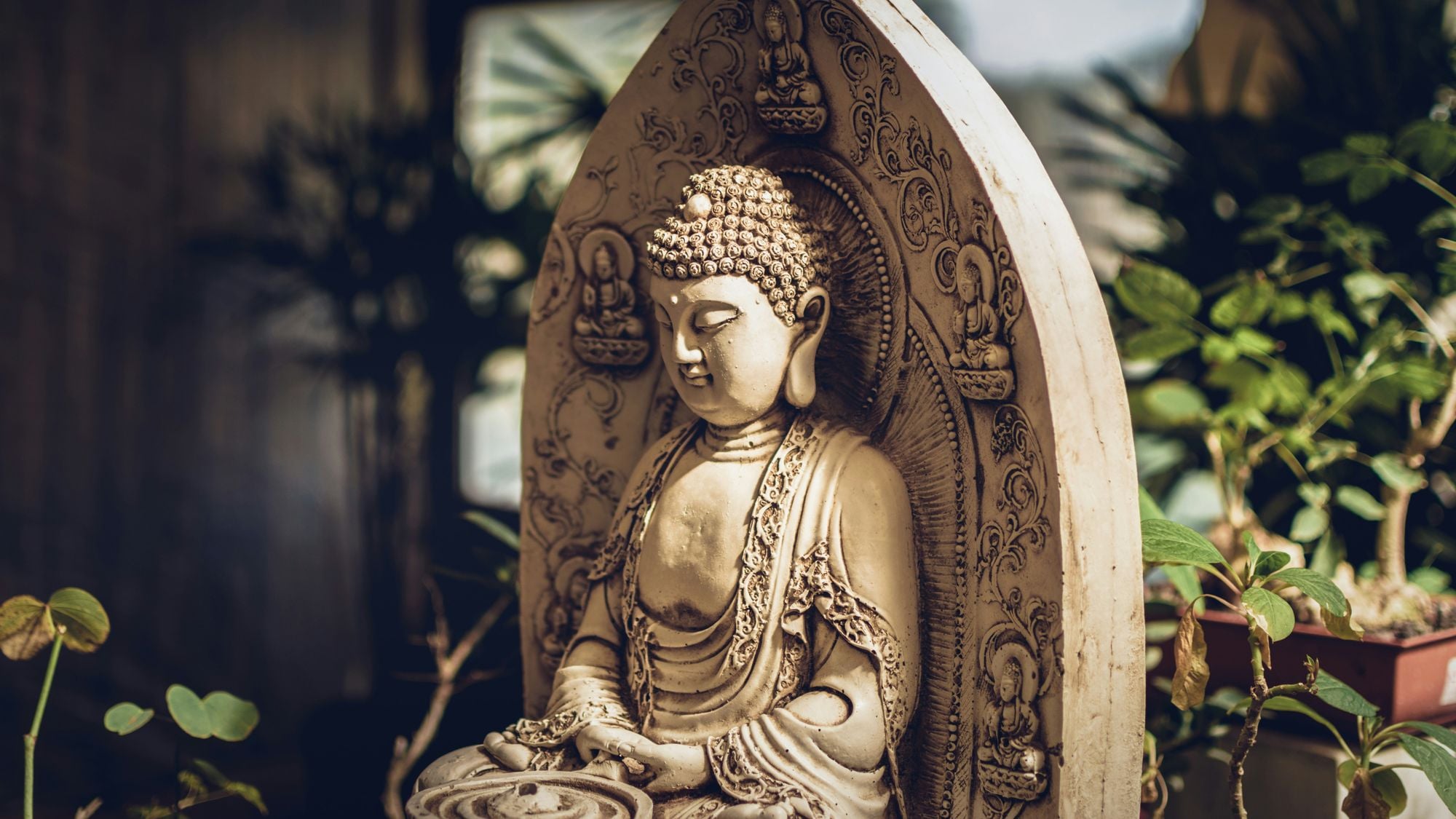
Image by Unsplash / Jose Luis Sanchez Pereyra
Need help right now? We're here 24/7.
Impermanence is at the heart of Buddhist teaching. When someone we love passes away, that truth is felt deeply - and the rituals that follow are meant to honour both the life that was lived and the journey of the consciousness beyond the physical form.
Cremation has long held a central place in Buddhist funeral traditions. Today, many Buddhist families in Canada are finding that direct cremation - a simpler, more affordable approach - can align beautifully with their beliefs, while still leaving room for the prayers, gatherings, and merit-making practices that give the farewell its meaning.
This guide explores how direct cremation fits within a Buddhist framework, and how families can create a respectful, spiritually grounded farewell that honours both tradition and the realities of modern life.
Traditional Buddhist Cremation: Core Principles
While practices vary across Buddhist traditions - Theravada, Mahayana, and Vajrayana each have their own customs - several core themes run through Buddhist cremation rites:
Impermanence (Anicca). The ceremony acknowledges that the physical body is temporary. The focus shifts to the continuation of consciousness and the deceased’s journey toward liberation from the cycle of rebirth (samsara).
Letting go (Upekkha). The rituals encourage detachment from the physical form, fostering acceptance and inner peace among those who are grieving.
Merit-making (Punna). Prayers, offerings, and acts of generosity are performed to generate merit that supports the deceased in their next life.
A traditional Buddhist cremation typically involves washing and adorning the body, prayers and chanting led by monks, the cremation itself, and post-cremation rituals including the collection of ashes and further merit-making offerings. Ashes may be scattered at a temple garden, buried, or kept at a monastery.
Why Some Buddhist Families Choose Direct Cremation
Direct cremation - where the cremation takes place shortly after death, without a preceding formal ceremony - is a choice that a growing number of Buddhist families are making. The reasons are practical, but the decision is no less thoughtful:
Modern life and distance. Families today are often spread across cities, provinces, or countries. Coordinating an elaborate, time-sensitive ceremony can be genuinely difficult, and direct cremation provides the flexibility to hold meaningful rituals on a timeline that works for everyone.
Cost. Traditional funeral ceremonies can be expensive. Direct cremation is the most affordable cremation option, which can free up resources for other meaningful acts - donations to a monastery, charitable giving, or supporting the family.
Environmental considerations. For families who are mindful of their environmental impact, direct cremation offers a simpler alternative to traditional pyre-based cremation, which requires significant amounts of wood and fuel.
Does Direct Cremation Align with Buddhist Teachings?
This is a question many families wrestle with - and it’s worth exploring with care.
Buddhist teachings emphasize non-attachment to the physical realm. The body, in Buddhist understanding, is a temporary vessel. What matters most is the consciousness, the prayers offered, and the merit generated - none of which depend on an elaborate ceremony surrounding the cremation itself.
The spiritual work can still happen. Prayers and chanting can take place before the cremation, after the cremation, or both. A monk or teacher can lead these practices regardless of whether the cremation is direct or ceremonial. The spiritual significance of the farewell is shaped by intention and devotion, not by the logistics of the cremation process.
Letting go is a practice, not a performance. Direct cremation can itself be seen as an expression of non-attachment - a willingness to release the physical form simply and without excessive ceremony, trusting in the continuation of the spiritual journey.
Guidance from your tradition matters. Every family’s relationship with their Buddhist practice is different. Consulting with a monk, teacher, or spiritual advisor from your specific tradition is always worthwhile. They can help you find an approach that honours your beliefs while making space for the practical realities of your situation.
Creating a Meaningful Farewell with Direct Cremation
Choosing direct cremation doesn’t mean choosing to do nothing. It simply means the cremation itself is handled quietly and respectfully, giving the family space to focus on the spiritual and communal aspects of the farewell in their own way and on their own timeline.
Here are some of the ways Buddhist families create meaning around a direct cremation:
Prayer and chanting. A prayer service can be held before the cremation takes place, or after the family receives the cremated remains. Inviting a monk to lead chants focused on impermanence, liberation, and compassion brings the spiritual dimension to the forefront.
A gathering of loved ones. Whether held at home, at a temple, or in a community space, a gathering gives family and friends the opportunity to share memories, offer condolences, and participate in group meditation or prayer for the deceased.
Merit-making practices. These are central to Buddhist funeral observance and can take many forms: offering food or alms, making donations to a monastery or dharma centre in the deceased’s name, supporting charitable causes aligned with Buddhist principles, or dedicating personal meditation and mantra practice to the benefit of the deceased.
Respectful disposition of ashes. After cremation, the ashes can be scattered in a meaningful location (following local regulations), buried, placed in a columbarium, or entrusted to a monastery for further merit-making observance. Some families choose to divide the ashes so that loved ones in different locations can each participate in the ritual.
Variations Across Buddhist Traditions
It’s worth noting that cremation customs differ across the major Buddhist schools. Theravada traditions may emphasize monastic involvement and specific chanting practices. Mahayana traditions often incorporate prayers for the benefit of all sentient beings. Vajrayana practices may include particular mantras, visualizations, or rituals guided by a lama.
If you’re unsure what’s appropriate within your tradition, speaking with a teacher or monk from your community is the best starting point. They can help ensure that whatever approach you choose - including direct cremation - is grounded in your specific practice.
How Alternatives Can Help
At Alternatives Funeral & Cremation Services, we serve families from many different cultural and spiritual backgrounds, and we understand that funeral practices are deeply personal. For Buddhist families considering direct cremation, here’s how we can support you:
A respectful, dignified process. Our simple cremation service ensures your loved one is cared for with the same respect and attention we bring to every family we serve. The cremation is carried out gently and in accordance with all regulatory requirements.
Flexibility for your rituals. We understand that prayers, chanting, and merit-making practices are essential to the farewell - not optional extras. We’ll work with your timeline and your needs, making sure the cremated remains are available when and where your family needs them for ceremonies or disposition.
Open, honest communication. If you have specific requests - about timing, handling of the remains, or coordination with a temple or monastery - we’re here to listen and to follow through. Our team will discuss your needs with you directly and make sure everything is understood and respected.
In-home arrangements. Our funeral directors come to you, in your home or wherever you feel most comfortable. For families who value a calm, unhurried space to discuss their wishes, this approach can make all the difference.
Whether your family follows a path steeped in traditional ritual or one that embraces simplicity, the heart of a Buddhist farewell remains the same: compassion, mindfulness, and the gentle release of what is impermanent. Direct cremation can honour that spirit beautifully - and we’re here to help you find the approach that feels right.
Have questions about this?
Our team can talk through your options and what applies to your family. No cost, no obligation.
Service Type
funeral
Related reading
Cultural
Cremation and the United Church of Canada: What Families Should Know
This guide explains how cremation fits within United Church theology and offers practical guidance f...
Jan 26, 2026
Cultural
Cremation and the Protestant Church: What Families Should Know
If you're part of a Protestant faith community and considering cremation for yourself or a loved one...
Jan 25, 2026
Cultural
Cremation and the Lutheran Church: What Families Should Know
The Lutheran Church has long embraced cremation as a respectful choice, and the vast majority of Lut...
Jan 24, 2026