We're here to help in Vancouver —
(604) 857-5779

Air Transportation of Human Remains in Canada: What Families Need to Know
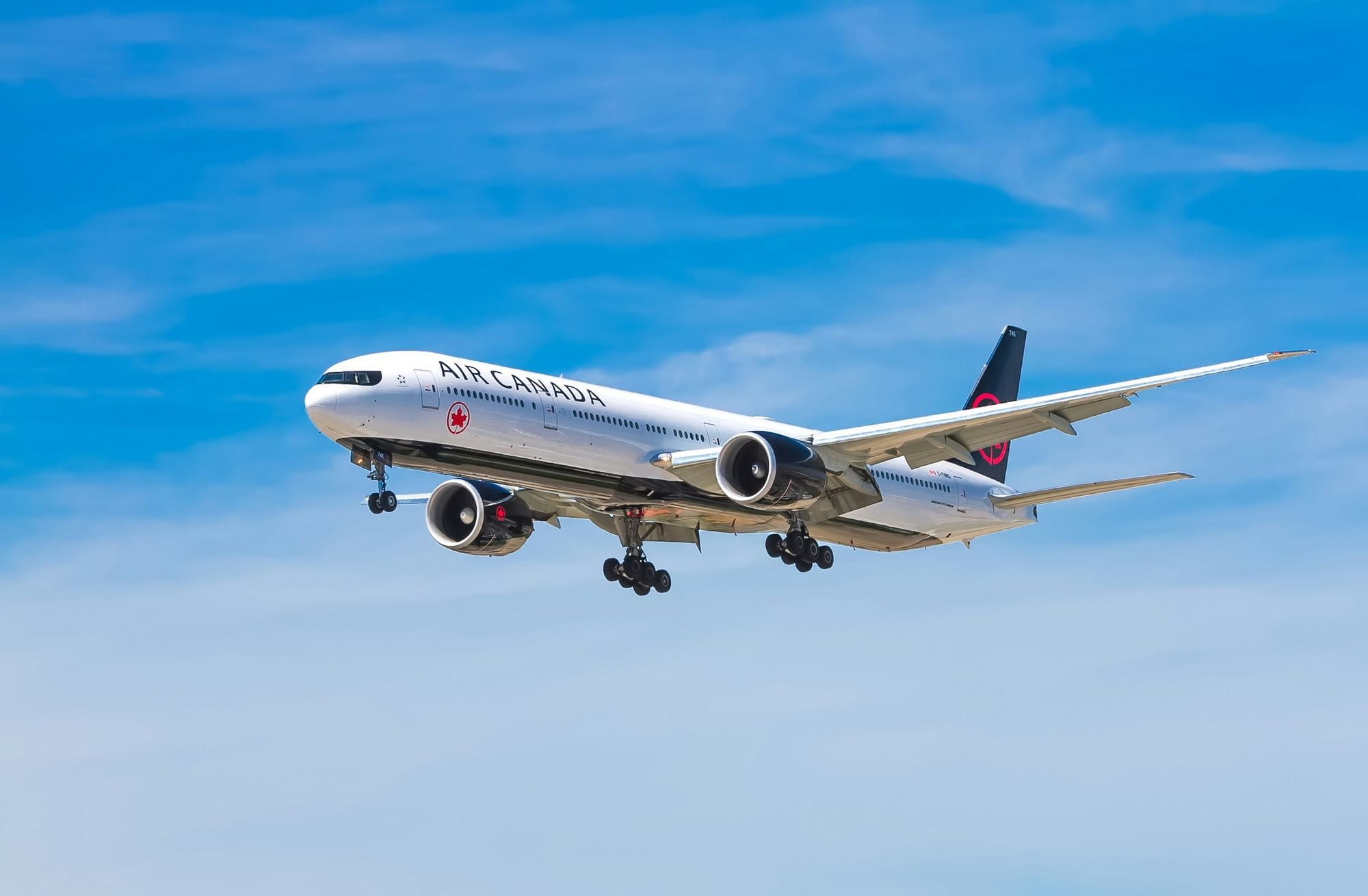
Image by Unsplash / John McArthur
Need help right now? We're here 24/7.
There are many reasons a family may need to transport a loved one’s remains by air - a death that happens in another province, a Canadian who passes away while travelling abroad, or a family that simply wants their loved one brought home. Whatever the circumstances, the process involves specific regulations, logistics, and costs that can feel complicated during an already difficult time.
This guide explains how air transportation of human remains works in Canada, what’s involved, and how your funeral director can help coordinate the details on your behalf.
When Air Transportation Is Needed
Canada is a vast country, and Canadians are a mobile people. It’s increasingly common for someone to pass away far from where their family lives or where they’d like their final arrangements to take place. Common situations include:
- A loved one who passed away in another province while visiting family, receiving care, or living part of the year elsewhere
- A Canadian who dies while travelling or living abroad - particularly in warmer destinations during winter months
- A family that has relocated but wishes to bring their loved one back to their home community
In all of these cases, air transport is typically the most practical option for moving remains across long distances.
Domestic Transportation: Within Canada
When a death occurs in one province and the funeral or cremation will take place in another, the remains need to be transported domestically. While simpler than international repatriation, it still requires coordination between funeral homes, airlines, and sometimes provincial authorities.
What’s involved:
- The remains must be embalmed and placed in a hermetically sealed container - either a casket, coffin, or airline-approved air tray
- A death certificate and any required transit documentation must accompany the shipment
- The sending funeral home coordinates with the airline’s cargo division to book the transport
- A receiving funeral home at the destination takes the remains into care upon arrival
Cost: Domestic transportation of remains within Canada typically ranges from $3,000 to $6,000, depending on the distance, airline, and specific requirements. Transporting cremated remains is significantly less expensive.
At Alternatives, we regularly coordinate both the sending and receiving of remains across provinces. Whether your loved one needs to be brought to British Columbia or transported from here to another part of the country, we handle the logistics so your family doesn’t have to.
International Repatriation: Bringing a Loved One Home to Canada
When a Canadian passes away overseas, the process of returning their remains is called repatriation. It’s more complex and more costly than domestic transport, but with the right coordination it can be managed smoothly.
The key steps:
Contact the Canadian Embassy or Consulate. Consular staff can provide initial guidance, assist with local authorities, and help connect you with funeral service providers in the area.
Decide between body repatriation or cremation abroad. Shipping the full body requires embalming, a sealed casket, and considerably more logistical coordination. Cremation at the place of death followed by repatriation of the ashes is simpler, faster, and far less expensive. Both options allow the family to hold a service or Celebration of Life once the remains arrive in Canada.
Work with a repatriation specialist. These are funeral professionals who specialize in international logistics - coordinating documentation, liaising with foreign authorities, booking airline cargo space, and ensuring all import and export regulations are met. Your Canadian funeral home can connect you with a specialist who has experience in the relevant country.
Prepare the documentation. International repatriation requires a death certificate (often translated into English or French), an embalming certificate, a non-contagious disease certificate, an export permit from the country of death, and the deceased’s cancelled passport.
Clear Canadian customs. Upon arrival, the remains must clear the Canada Border Services Agency (CBSA). With proper documentation prepared in advance, this step is straightforward.
Cost: Full body repatriation from abroad typically ranges from $10,000 to $15,000 or more, depending on the country and circumstances. Cremation overseas followed by ash repatriation is considerably more affordable - often around $3,000 to $5,000 including transportation.
Body vs. Cremated Remains: Comparing the Options
Families generally have two choices when transporting a loved one, and the differences in cost, complexity, and logistics are significant.
Transporting the body requires embalming, a hermetically sealed casket or air tray, extensive documentation, and coordination with airline cargo services. It’s the more expensive and involved option, but it allows families to hold a viewing or traditional funeral upon arrival.
Transporting cremated remains is simpler in almost every respect. Cremated remains are lighter, easier to handle, subject to fewer regulations, and far less costly to ship. Some families even choose to carry cremated remains as part of their personal luggage on a flight, though airline policies vary and documentation is still required.
If cost or logistics are a concern, cremation at the place of death followed by transportation of the ashes is often the most practical path - and it doesn’t limit the kind of service your family can hold once the remains are home.
How Airlines Handle Human Remains
Major airlines have specialized cargo procedures for transporting human remains. Air Canada, for example, offers a dedicated service for this purpose.
A few things to know:
Only authorized shippers can book. Airlines require that human remains be shipped by a “known shipper” - typically a funeral home or repatriation specialist. Families cannot book this directly.
Container requirements apply. The remains must be in a hermetically sealed container, and airlines may require an outer air tray as well. Some airlines provide these for an additional fee.
Timing matters. There are specific cut-off times for delivering remains to the cargo facility before departure, and collection windows after arrival. Your funeral director will coordinate these details.
Costs vary. Airline cargo fees depend on distance, weight, and route. Domestic shipments may start around $1,500 to $3,000 for the air transport alone; international shipments can be considerably higher.
Bereavement Fares for Family Travel
If you need to fly to be with family after a death - or to attend a funeral - it’s worth asking the airline about bereavement fares. Many carriers offer reduced rates for immediate family members, including spouses, children, parents, siblings, grandparents, and in-laws.
Eligibility and discounts vary by airline, so contact them directly to ask what’s available. Having the name of the funeral home handling arrangements can help expedite the process.
Planning Ahead Can Make a Difference
If you or a family member spend extended time in another province or travel abroad regularly, it’s worth having a conversation about what you’d want to happen if the unexpected occurred. Knowing your loved one’s wishes - whether they’d prefer to be cremated locally or brought home, for example - can spare the family from making difficult decisions under pressure.
Travel insurance is another important consideration. Some policies include repatriation coverage, which can significantly offset costs. Review the details before you travel, and make sure your family knows where to find the policy information.
We Can Help Coordinate the Details
Arranging for the air transportation of a loved one’s remains - whether across the country or from the other side of the world - involves a lot of moving parts. At Alternatives Funeral & Cremation Services, we are experienced repatriation specialists and can coordinate every step, so your family can focus on what matters most.
If you’re dealing with this situation right now, or if you’d like to understand your options ahead of time, we’re here with clear guidance and no pressure.
Have questions about this?
Our team can talk through your options and what applies to your family. No cost, no obligation.
Service Type
shipping
Related reading

Repatriation
Bringing a Loved One Home: A Guide to Repatriation from Mexico to Canada
This guide covers what's involved in repatriating a loved one from Mexico, as well as some important...
Feb 12, 2026

Repatriation
Bringing a Loved One Home: A Guide to Repatriation from the United Kingdom to Canada
When a Canadian passes away in the UK, the process of bringing them home involves navigating a diffe...
Feb 11, 2026

Repatriation
Bringing a Loved One Home: A Guide to Repatriation from the United States to Canada
Repatriation from the US to Canada is more straightforward than from many other countries. The geogr...
Feb 10, 2026