We're here to help in Vancouver —
(604) 857-5779

Bringing a Loved One Home: A Guide to Repatriation from the Mexico to Canada
February 12, 2026
— Tyrel Burton
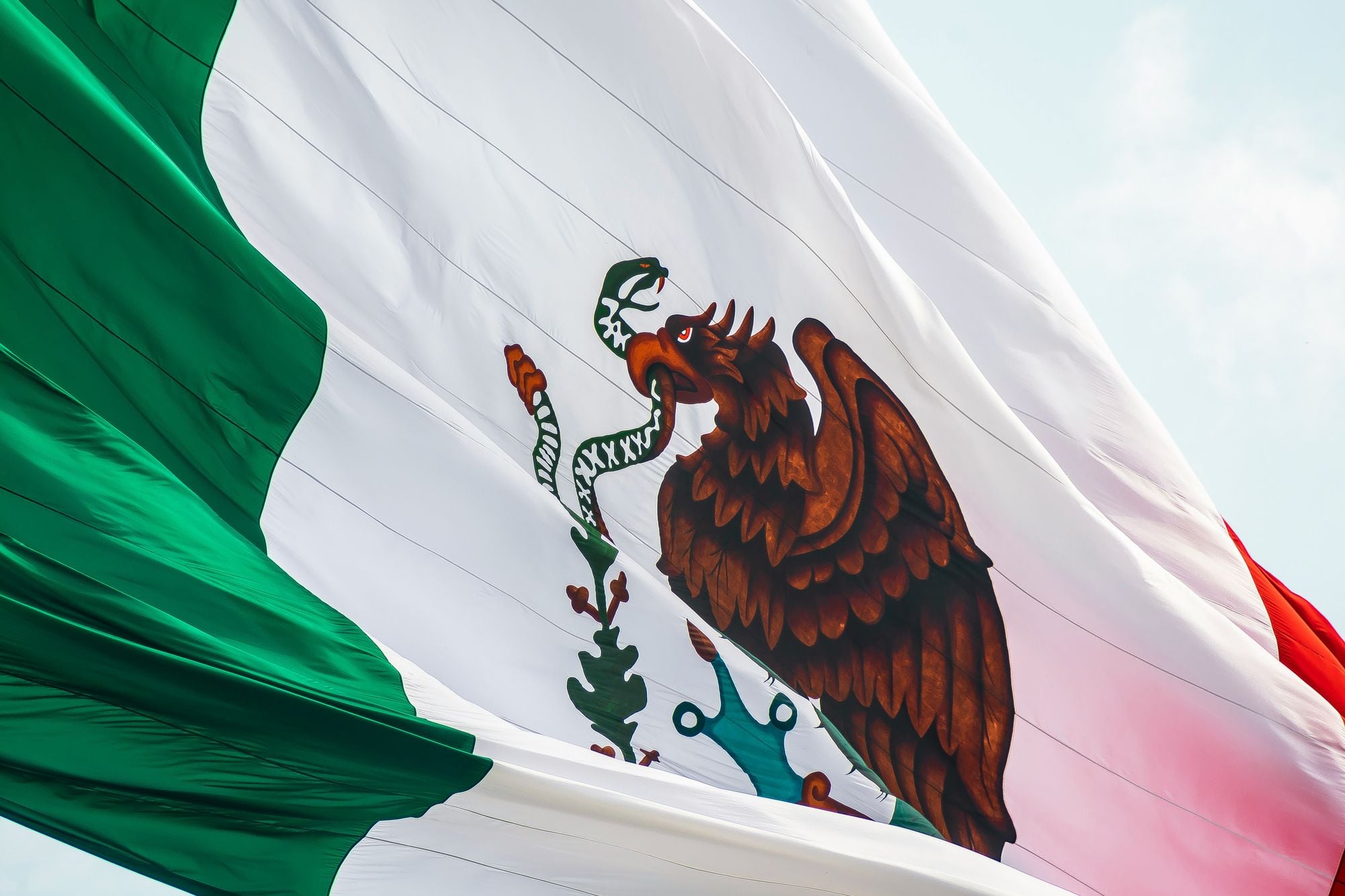
Image by Unsplash / Jorge Aguilar
Mexico is one of the most popular destinations for Canadian travellers and retirees. Millions of Canadians visit each year, and a significant number spend part of the year — or retire permanently — in communities along the Pacific coast, the Riviera Maya, and other regions throughout the country.
When a Canadian passes away in Mexico, the process of bringing them home involves navigating Mexico's legal system, language barriers, and international logistics. While many Mexican communities — particularly those with large Canadian and expat populations — have experience handling these situations, the process can still feel overwhelming for families dealing with sudden grief from a distance.
This guide covers what's involved in repatriating a loved one from Mexico, as well as some important planning considerations for Canadians who live or spend extended time there.
First Steps After the Death
Contact the Canadian Embassy or Consulate in Mexico. Canada maintains an embassy in Mexico City and consulates in several other cities, including Cancún, Guadalajara, Monterrey, and Puerto Vallarta. Consular staff can provide guidance, assist with local authorities, help obtain documentation, and authenticate the death certificate for insurance and repatriation purposes.
Notify the travel insurance provider. Contact the insurer as early as possible. Many travel insurance policies include repatriation coverage, and the insurer may coordinate directly with local funeral providers. Some Canadian credit cards also offer travel death benefits — check the fine print.
Contact a funeral home in Canada. At Alternatives, we can help coordinate the Canadian side of the repatriation — connecting you with experienced repatriation specialists, arranging to receive the remains upon arrival, and ensuring that everything is in place for a service or cremation once your loved one is home.
Documentation Required
Mexico has specific documentation requirements before remains can leave the country. The key documents typically include:
Mexican death certificate (Acta de Defunción) — Issued by the local Civil Registry. The funeral home in Mexico typically assists with obtaining this. Additional certified copies can be ordered for a fee.
Embalming certificate — Required if the body is being shipped internationally.
"Free from infection" certificate — A medical certificate confirming the deceased did not have a communicable disease.
Export permit — Issued by Mexican authorities authorising the removal of the remains from the country.
The deceased's cancelled passport — The Canadian Embassy or Consulate handles passport cancellation.
All official documents will be in Spanish. Certified translations into English or French are required for Canadian customs and for most Canadian institutions (banks, insurance companies, government agencies). The Canadian consulate can provide a list of official translators in Mexico.
Choosing How to Bring Your Loved One Home
Repatriation of the body. This involves embalming, placing the remains in a hermetically sealed casket, and arranging air freight to Canada. It's the more complex and costly option — Mexican funeral homes typically require payment upfront — but it allows the family to hold a viewing or traditional funeral service upon arrival in Canada.
Cremation in Mexico, followed by repatriation of the ashes. Cremation is widely available in Mexico and is significantly simpler and less expensive than shipping the body. Cremated remains can be transported via air cargo or, in many cases, carried personally on a flight. For repatriation of ashes, a Canadian funeral home is not technically required for the transport itself, though having one coordinate the receiving end ensures everything is handled properly.
In either case, a memorial service or Celebration of Life can be held in Canada once your loved one is home.
Mexico-Specific Considerations
There are several things that make repatriation from Mexico distinct from other countries:
Legal next of kin. Under Mexican law, only the legal next of kin can authorise interment or cremation. If your partner is not legally recognised as next of kin — for example, in a common-law or same-sex relationship that isn't formalised under Mexican law — this can create complications. The Canadian consulate can assist in notifying and involving the legal next of kin.
Autopsy requirements. Depending on the circumstances of the death, an autopsy may be required by Mexican authorities before the remains can be released. If the death was from natural causes, having a local physician who can sign the death certificate may help streamline the process.
Upfront payment. Mexican funeral homes generally require full payment before services are rendered. Families should be prepared for this, particularly if insurance reimbursement will take time.
Language. All legal and medical processes are conducted in Spanish. If your family doesn't speak Spanish, working with a repatriation specialist or a bilingual funeral provider is essential. The Canadian consulate can also provide translation resources.
Established expat infrastructure. Many popular Mexican destinations — Puerto Vallarta, San Miguel de Allende, Mazatlán, the Lake Chapala area, and communities along the Riviera Maya — have funeral homes and medical facilities with experience handling Canadian repatriations. This can make the process smoother than families might expect.
Costs
Repatriation from Mexico is a significant expense. As a general guide:
Full body repatriation — Including Mexican funeral home fees, embalming, a sealed casket, air freight, documentation, and Canadian receiving fees — can range from $7,000 to $15,000 CAD, depending on the location and circumstances.
Cremation in Mexico followed by ash repatriation — Is considerably less expensive, often in the range of $3,000 to $6,000 CAD.
Travel insurance may cover some or all of these costs, but coverage varies between policies. Review the details carefully and contact the insurer as early as possible.
Timeline
Repatriation from Mexico typically takes two to three weeks, depending on how quickly documentation is completed, whether an autopsy is required, and air transport availability. Cremation followed by ash repatriation can be faster.
Planning Ahead: For Canadians Living in or Regularly Visiting Mexico
If you or a family member spend extended time in Mexico — whether as a snowbird, a retiree, or a long-term resident — a little advance planning can make an enormous difference if the unexpected occurs.
Register with the Canadian government. The Registration of Canadians Abroad (ROCA) service at travel.gc.ca ensures the government can reach you or your emergency contact in a crisis.
Designate a representative in Mexico. Appoint a trusted person who can act on your behalf with Mexican authorities, handle immediate arrangements, and safeguard your property until your Canadian family can be involved. A notarised power of attorney — translated into Spanish and legalised by the Mexican Embassy in Canada — gives this person the legal authority to act.
Review your insurance. Make sure your travel or health insurance includes repatriation coverage, and confirm that it applies in Mexico specifically. Review the policy annually.
Keep key documents accessible. Your representative should know where to find your passport, birth and marriage certificates, your will, insurance policy details, and power of attorney. Having Spanish translations of essential documents prepared in advance can save significant time.
Consider a will in Mexico. If you own property or have bank accounts in Mexico, a Mexican will (in addition to your Canadian one) can prevent serious complications. Consult a local lawyer or notario público to ensure your affairs are properly documented under Mexican law.
Talk to your family. Have a conversation about what you'd want — would you prefer to be brought home, cremated locally, or buried in Mexico? Knowing your wishes in advance spares your family from having to make that decision under pressure, from thousands of kilometres away.
We Can Help Coordinate the Details
At Alternatives Funeral & Cremation Services, we regularly work with families who have lost a loved one in Mexico. We coordinate with Mexican funeral providers, repatriation specialists, and airline cargo teams to manage the logistics on the Canadian side — so your family can focus on what matters most.
Whether a death has just occurred or you're planning ahead for the possibility, we're here with clear guidance, experienced coordination, and the steady support families need during a difficult time.
Service Type
shipping
Related Articles
Repatriation
Bringing a Loved One Home: A Guide to Repatriation from the United Kingdom to Canada
When a Canadian passes away in the UK, the process of bringing them home involves navigating a diffe...
Feb 11, 2026
Repatriation
Bringing a Loved One Home: A Guide to Repatriation from the United States to Canada
Repatriation from the US to Canada is more straightforward than from many other countries. The geogr...
Feb 10, 2026

Planning Ahead
Think You Don't Need a Will? Here's Why You Do.
If you own anything, have anyone who depends on you, or care about what happens after you're gone, a...
Feb 7, 2026