We're here to help in Vancouver —
(604) 857-5779

A Farewell Through Time: How Funeral Traditions Have Evolved
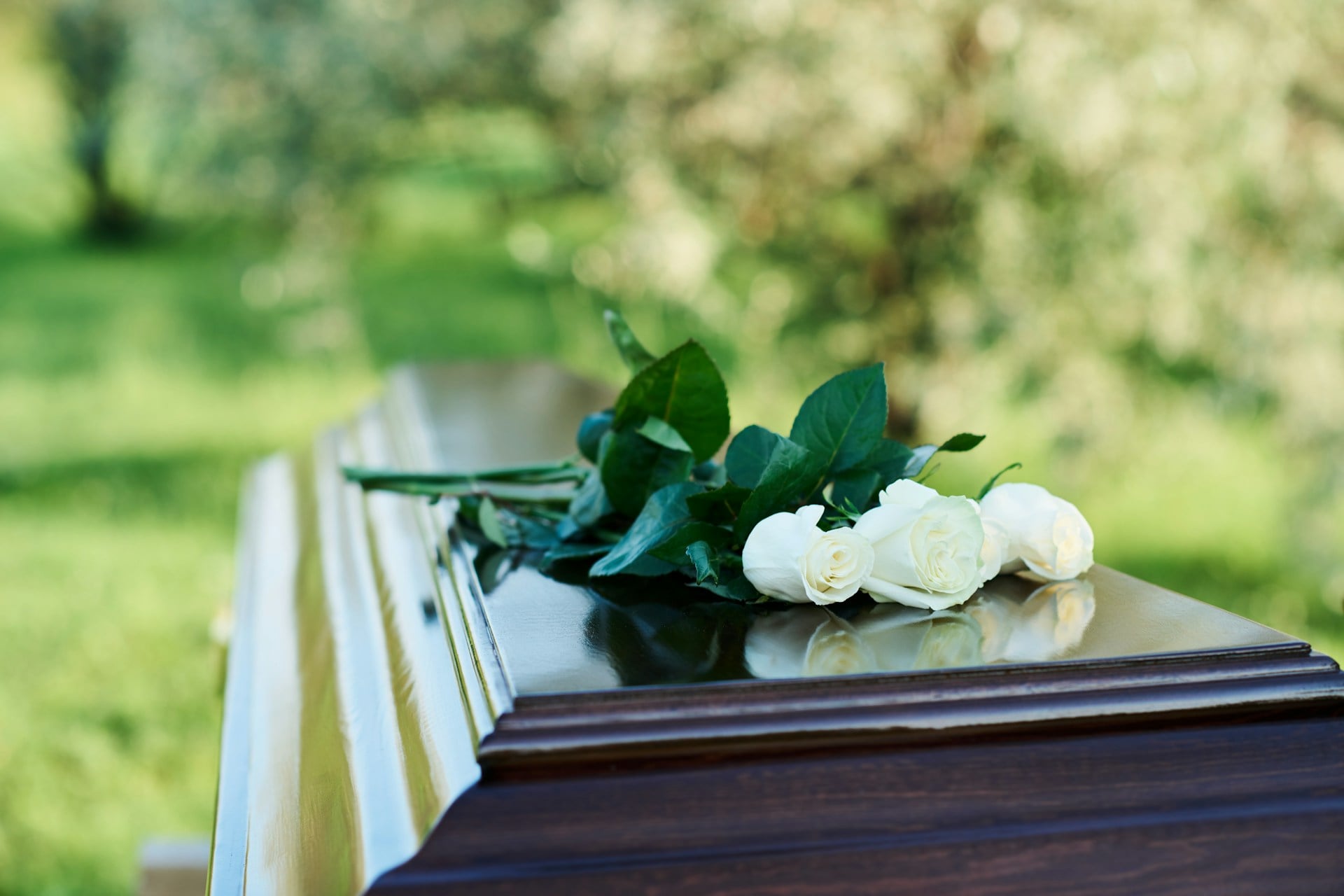
Image by Getty Images
Need help right now? We're here 24/7.
For as long as humans have lived in community, we’ve gathered to honour our dead. Funeral traditions are among the oldest and most universal practices in human history - not simply a way to care for remains, but a way to grieve together, celebrate a life, and make meaning out of loss.
Understanding where these traditions come from can offer perspective on the choices available to families today. Here’s a look at how funeral practices have evolved across cultures and centuries, and where they’re headed next.
The Earliest Burials
The oldest known burials date back roughly 60,000 years to the Neanderthals. These simple graves - sometimes containing tools or animal bones - suggest that even our earliest ancestors felt compelled to mark a death with intention. Around 70,000 years ago, early Homo sapiens in Australia were painting bodies with red ochre before burial, possibly as a symbol of life or renewal.
These weren’t elaborate ceremonies, but they were deeply human. The instinct to honour the dead appears to be woven into who we are.
Ancient Civilizations and the Afterlife
As societies grew more complex, so did their approaches to death.
Egypt - The ancient Egyptians believed the body needed to be preserved for the soul’s return in the afterlife. This gave rise to mummification around 3,200 BC - a process that could take up to 70 days, involving the careful removal of organs and the use of drying agents and resins. Tombs were decorated with hieroglyphics and scenes from the deceased’s life, serving as both resting place and tribute.
Mesopotamia - Between the Tigris and Euphrates rivers, burial practices reflected social standing. Royalty were entombed with jewellery, weapons, and food offerings. Common people were laid to rest in simple pits or clay jars.
Greece and Rome - Both civilizations favoured cremation, believing that fire purified the body and freed the soul. Ashes were collected in urns and placed in tombs or cemeteries. Funeral games, processions, and public ceremonies were held to honour the dead - some of which could be remarkably elaborate.
Eastern Traditions: Reverence and Ritual
China - Chinese funeral customs have long emphasized respect for ancestors. Traditional funerals involved multiple stages of mourning, careful preparation of the body, and burial in thoughtfully constructed tombs. Ancestor veneration - honouring the deceased through offerings and ceremony - remains a cornerstone of Chinese culture today.
India - In Hindu tradition, the body is understood as a temporary vessel for the soul. Cremation is the most common practice, with ashes scattered in sacred rivers like the Ganges. Funeral rites include ritual bathing of the body and the chanting of mantras to guide the soul toward moksha, or spiritual liberation.
Pre-Columbian Americas - Indigenous cultures across the Americas practised a wide range of burial traditions. Some communities used simple earth burials; others built elaborate tombs and earthen mounds. Mummification was practised in parts of South America - the Chinchorro mummies of Chile are among the oldest in the world, predating Egyptian mummification by thousands of years.
Christianity and the Shift Toward Burial
As Christianity spread through the Roman Empire, beliefs about bodily resurrection led to a strong preference for burial over cremation. Catacombs - vast underground tunnel networks - became communal resting places across much of Europe.
During the Middle Ages, funerals became more formalized, with religious ceremonies, processions, and church-led rituals. The Black Death in the 14th century forced a shift toward mass burials and introduced public health considerations that would shape funeral practices for centuries.
The Rise of the Funeral Home
The Industrial Revolution of the 19th century changed nearly everything about daily life - including how families cared for their dead. As cities grew and populations concentrated, home-based funerals became less practical. The profession of the “undertaker” emerged, and with it, the modern funeral home - offering embalming, standardized services, and a dedicated space for visitation and ceremony.
This era established many of the conventions that families are still familiar with today.
Where We Are Now: Choice, Personalization, and Simplicity
The 20th and 21st centuries have brought a meaningful shift. Families are no longer limited to a single, prescribed way of saying goodbye.
Cremation has become the most common choice in many parts of Canada - particularly in British Columbia, where cremation rates are among the highest in the country. For many families, it offers simplicity, flexibility, and affordability.
Green burials are gaining interest as well, reflecting a growing desire to return to the earth in a way that’s gentle on the environment. These eco-friendly options use biodegradable materials and avoid chemical embalming.
Personalization is perhaps the biggest trend of all. More and more families are moving away from formal, one-size-fits-all services and toward gatherings that truly reflect the person being honoured - a Celebration of Life at a favourite restaurant, a memorial in a park, a simple gathering at home with close family. The focus has shifted from convention to meaning.
Looking Ahead
Technology is opening new possibilities, too. Virtual attendance options allow people to be present at services from anywhere in the world. Online memorials offer lasting digital spaces where friends and family can share stories and photos over time. And as conversations about death and dying become more open, families are finding it easier to plan ahead on their own terms.
At the same time, home funerals are experiencing a quiet resurgence - families choosing to care for their loved one at home, creating a more intimate and personal experience. And the growing conversation around funeral affordability is helping people understand that a meaningful farewell doesn’t have to come with an overwhelming price tag.
What Hasn’t Changed
Despite all of this evolution - across millennia, across cultures, across continents - the heart of a funeral remains the same. It’s a space to grieve. A moment to honour a life. A way for the people left behind to come together, share their loss, and begin to heal.
The rituals may look different from one family to the next, but the purpose is constant: to acknowledge that this person mattered, and that their absence is felt.
Have questions about this?
Our team can talk through your options and what applies to your family. No cost, no obligation.
Service Type
funeral
Related reading

Planning Ahead
Choosing an Executor: Who to Name and Why It Matters
How to choose an executor: what the role actually demands, who to name, who to avoid, and what to te...
Jun 6, 2026

Planning Ahead
Cryptocurrency and Digital Assets: The Estate Planning Gap
Cryptocurrency and digital assets are invisible to an executor without a plan. What to record, and h...
May 23, 2026

Planning Ahead
How to Create a Will in British Columbia: A Step-by-Step Guide
How to make a legally valid will in British Columbia, what it must contain, and the choices worth th...
May 2, 2026