We're here to help in Vancouver —
(604) 857-5779

What to Do After Someone Dies: A Step-by-Step Guide for Families in BC

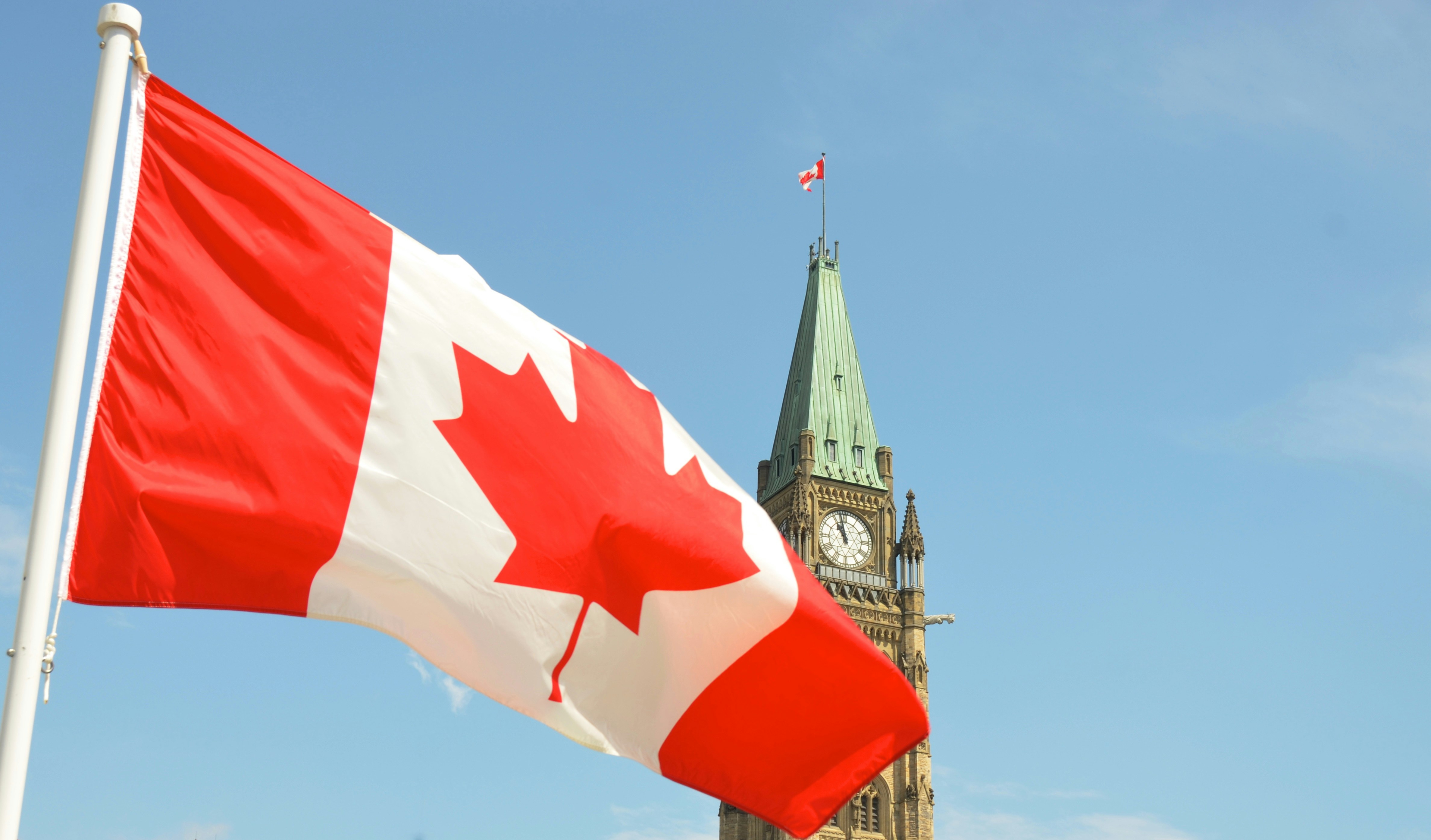
Image by Unsplash / Cathryn Laverly
Need help right now? We're here 24/7.
When someone you love passes away, the grief can feel all-consuming - and yet there are practical things that need to happen, some of them quite quickly. It can be hard to know where to start, especially if you’ve never been through this before.
This guide walks you through the essential steps in the order most families encounter them. You don’t need to do everything at once, and you don’t need to do it alone. But having a clear picture of what lies ahead can bring a small measure of calm during an overwhelming time.
1. The Pronouncement and Medical Certificate of Death (MCOD)
Before anything else can happen, the death must be formally pronounced by a qualified medical professional - a physician, nurse practitioner, or, in cases of sudden or unexplained death, the coroner.
Once the death has been pronounced, the attending doctor, nurse practitioner, or coroner completes the Medical Certificate of Death (MCOD), which documents the cause of death. This is a critical document - it’s required before the death can be registered and before funeral arrangements can proceed.
In most cases, your funeral home handles what comes next. At Alternatives, we coordinate the completion and submission of the MCOD as part of the arrangement process, so your family doesn’t need to navigate the medical paperwork on your own.
2. Contact a Funeral Home
This is typically the first call a family makes after the death has been pronounced. If your loved one made prearrangements, the funeral home they chose will already be on file. If not, you’ll need to select one.
Your funeral director will:
- Arrange the respectful transfer of your loved one into their care
- Register the death with the BC Vital Statistics Agency on your behalf (this must happen within five days)
- Coordinate the Medical Certificate of Death (MCOD) with the attending physician or coroner
- Order certified death certificates - as many copies as you’ll need for banks, insurance, government agencies, and other purposes
- Walk you through your options for cremation, burial, or a service
At Alternatives, our funeral directors come to you - in your home or wherever you feel most comfortable - so you can make these decisions in a calm, unhurried environment rather than at a funeral home.
3. Let People Know
Telling family and friends is one of the hardest parts of the first day. There’s no perfect way to do it - just do what you can, and don’t hesitate to ask someone you trust to help make calls on your behalf.
Start with the people closest to the deceased: immediate family, then close friends and extended family. Employers, colleagues, and community members can be notified afterward. An obituary - whether published in a newspaper, shared online, or posted on social media - can help reach a wider circle when you’re ready.
Your funeral director can help with placing an obituary if you’d like that support.
4. Secure the Home and Belongings
If your loved one lived alone, it’s important to secure their home and personal property as soon as possible.
Lock all doors and windows. Collect mail regularly to prevent identity theft. Remove any valuables or important documents to a safe location. If applicable, let the landlord or property manager know about the death. And if there are pets that need care, arrange for someone to step in.
These are small, practical steps, but they protect the estate and prevent problems down the road.
5. Plan the Funeral, Memorial, or Celebration of Life
Your funeral director will guide you through this process, helping you choose the type of service and the details that feel right for your family. Decisions to make include:
- Whether to hold a funeral, memorial service, or Celebration of Life - or a simple cremation without a service
- Whether cremation or burial is preferred
- The venue, the music, the readings, and who will speak
- Floral arrangements, printed programs, and other personal touches
If your loved one left specific wishes - in a will, a prearranged plan, or even a conversation with family - those preferences can guide the planning. If not, your funeral director will help you think through the options at your own pace.
6. Locate the Will and Identify the Executor
If the deceased left a will, it should name an executor - the person responsible for managing the estate and carrying out the deceased’s wishes. Locating the will early is important, as it may also contain instructions about funeral preferences, guardianship of minor children, and how assets should be distributed.
If there is no will, the estate will be handled according to BC’s intestate succession laws. In either case, consulting with an estate lawyer early in the process can help clarify what needs to happen and in what order.
We have compiled a list of Executor Resources, including a free Settling Estates with Confidence guide, to assist you in estate matters.
7. Notify Government Agencies and Service Providers
There are several organisations that need to be informed of the death. Some of these notifications are time-sensitive; others can wait a few weeks. Your funeral director can advise on priorities, but the key notifications include:
Service Canada - To cancel Canada Pension Plan (CPP) payments, Old Age Security (OAS), and other federal benefits. This is also where you apply for the CPP Death Benefit (a one-time payment of up to $2,500 to the estate).
Canada Revenue Agency (CRA) - To update tax records and arrange for the filing of a final tax return.
Banks and financial institutions - To freeze or close accounts, and to begin the process of transferring assets to the estate.
Insurance companies - To file life insurance claims and notify any other insurers (home, auto, health).
Utility companies, subscriptions, and memberships - To cancel or transfer accounts in the deceased’s name.
Provincial programs - If the deceased was receiving BC Employment and Assistance, PharmaCare, or other provincial benefits, these should be reported as well.
8. Manage Financial and Legal Matters
Once the immediate steps are handled, the executor begins the work of managing the estate. This includes:
Opening an estate bank account to receive funds and pay expenses related to the estate.
Paying outstanding debts - including credit cards, loans, utility bills, and any final medical expenses.
Filing the final tax return for the deceased. The CRA requires a final return for the year of death, and there may be additional returns depending on the estate’s complexity.
Working with professionals as needed. An estate lawyer can help with probate, asset transfers, and any legal complexities. An accountant can assist with tax obligations.
9. Begin the Estate Settlement Process
Estate settlement is the longer-term process of distributing assets to beneficiaries and closing out the deceased’s affairs. Key steps include:
Determining whether probate is required. In BC, probate is needed when the estate holds assets - such as real estate or certain financial accounts - that require a court-issued grant of authority before they can be transferred. Not all estates require probate, and your lawyer can advise.
Collecting and valuing assets. This includes real estate, bank accounts, investments, vehicles, personal property, and any other holdings.
Distributing inheritances. Once debts and taxes are paid, the remaining assets are distributed according to the will - or, if there is no will, according to BC’s intestacy rules.
Closing the estate. Once all obligations have been met and all assets distributed, the executor can formally close the estate.
You Don’t Have to Navigate This Alone
The days and weeks after a death are filled with decisions, paperwork, and emotions that can feel impossible to manage all at once. The most important thing to remember is that you have people around you who can help - family, friends, professionals, and your funeral director.
At Alternatives Funeral & Cremation Services, guiding families through these steps is at the heart of what we do. From coordinating the Medical Certificate of Death to ordering death certificates, registering the death, and helping plan a meaningful farewell, we’re here to take as much of the burden off your shoulders as we can.
If you need help - whether a death has just occurred or you’re trying to plan ahead - we’re here whenever you’re ready.
Have questions about this?
Our team can talk through your options and what applies to your family. No cost, no obligation.
Related reading
Estate Administration
The CPP Death Benefit: How to Apply and What to Expect
Jul 1, 2026

Estate Administration
The Administrative Burden of Death: What Nobody Warns You About
The paperwork that follows a death in BC: what has to be done, in what order, and roughly how long e...
Jun 27, 2026

Estate Administration
Is This Will Valid? What Makes a Will Legally Binding in British Columbia
What makes a will legally binding in British Columbia, the mistakes that invalidate one, and what th...
Jun 20, 2026