We're here to help in Vancouver —
(604) 857-5779

Cremation and the Protestant Church: What Families Should Know
January 25, 2026
— Tyrel Burton
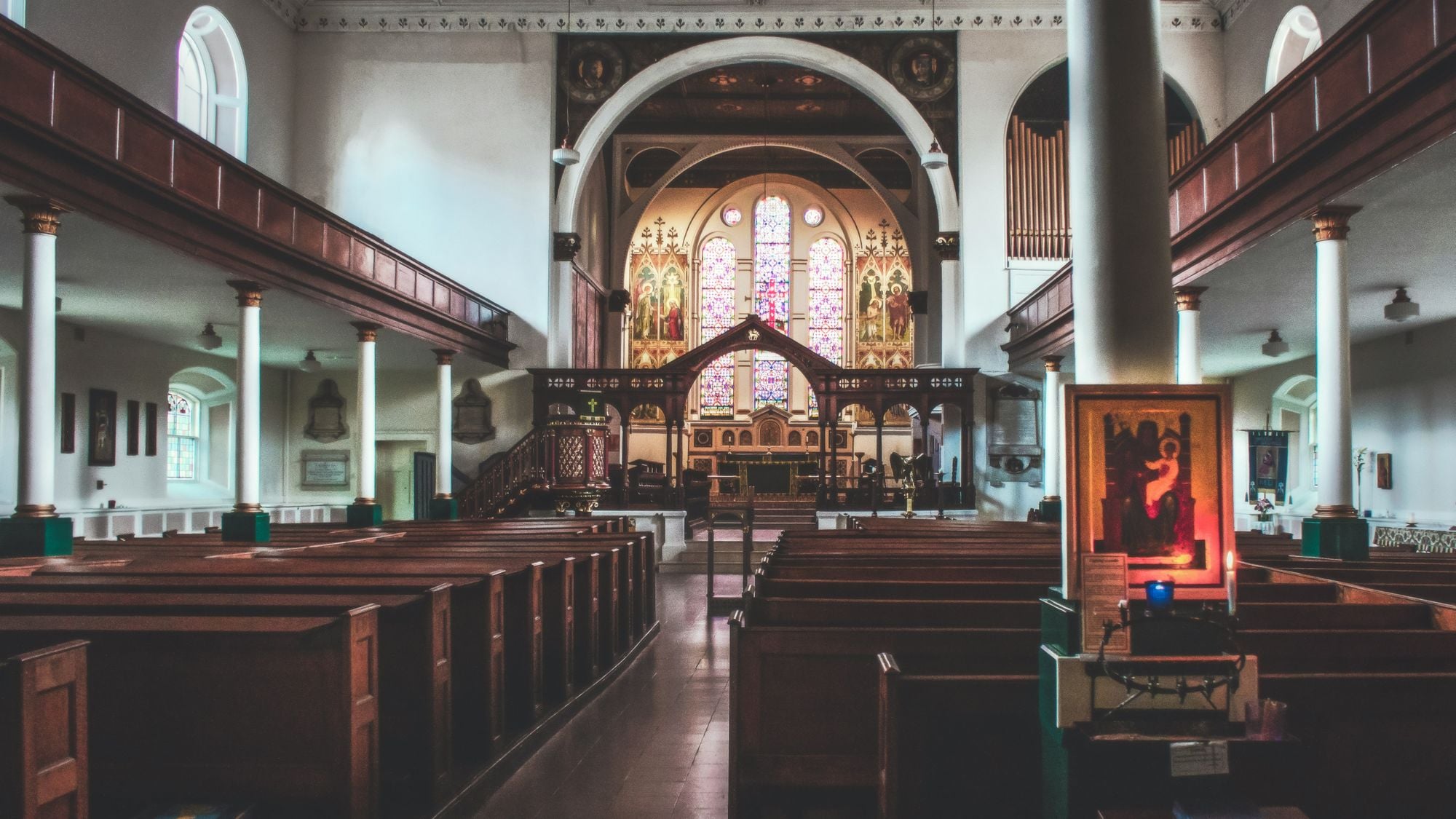
Image by Unsplash / K Mitch Hodge
Protestantism encompasses a wide range of denominations — United, Presbyterian, Baptist, Pentecostal, Mennonite, and many others — each with its own traditions and emphases. But across this diversity, one thing is broadly consistent: the Protestant church leaves the decision between burial and cremation to the family.
If you're part of a Protestant faith community and considering cremation for yourself or a loved one, this guide can help you understand how cremation fits within Protestant theology and how to plan a funeral service that honours both your faith and the person being remembered.
The Protestant Perspective on Cremation
Unlike some Christian traditions that have historically taken a firm position on burial, most Protestant denominations have long adopted a neutral or affirming stance on cremation. The emphasis in Protestant theology is on individual faith, the authority of scripture, and the grace of God — not on the manner in which the physical body is laid to rest.
Today, cremation is widely accepted across Protestant churches in Canada, including the United Church of Canada (the country's largest Protestant denomination), Presbyterian, Baptist, Mennonite, Pentecostal, and non-denominational congregations. For most Protestant families, the decision comes down to personal preference, practical considerations, and what feels most meaningful.
Key Theological Considerations
While Protestant theology is supportive of cremation, a few core values provide helpful context:
The hope of resurrection. Many Protestant traditions affirm the belief in bodily resurrection. Cremation doesn't conflict with this hope — it acknowledges the transformation of the physical body while trusting in God's power to raise and renew.
Grace, not ritual. Protestant theology centres on God's grace rather than on specific rituals or practices surrounding death. The focus of the funeral is on the deceased's life and faith, the comfort of the living, and the assurance of God's love — not on the form of disposition.
Respect for the body. Even in traditions that place less emphasis on ritual, the body is still regarded as worthy of dignified care. Cremation should be carried out reverently and in accordance with ethical and legal standards.
Planning a Protestant Funeral with Cremation
Because Protestant churches generally allow significant flexibility in funeral planning, families have real freedom to create a service that feels personal and true. Your pastor is the best person to help you bring it all together.
Talk to Your Pastor
Start here. Share your family's decision, ask about any congregation-specific customs or expectations, and work together to plan a service that reflects both the deceased's wishes and your community's tradition. Most Protestant pastors are very comfortable with cremation and experienced in adapting the service accordingly.
The Funeral Service
A Protestant funeral service can take many forms — from a formal liturgical service in the sanctuary to a more relaxed Celebration of Life in the church hall or another meaningful location. The common thread is the message: God's love endures, death is not the final word, and the person being remembered was known and valued.
The service typically includes scripture readings, prayers, hymns chosen by the family, and a message or homily from the pastor. A eulogy — delivered by a family member, friend, or the pastor — offers a chance to celebrate the specific, irreplaceable person at the centre of the gathering.
The service may take place before the cremation (with the body present), or afterward as a memorial (with the urn present, or without). Both approaches are appropriate — it depends on what feels right for your family and your congregation.
Your Church Community
One of the great strengths of the Protestant tradition is the community that surrounds a grieving family. Your church can offer the sanctuary for the service, the hall for a reception, and the presence of people who show up in practical, meaningful ways — preparing food, offering comfort, sitting with you in your loss.
The choir or musicians may provide music. Fellow members may help with logistics. And the congregation's prayers — both during the service and in the weeks that follow — carry real weight for many families.
Disposition of Cremated Remains
Protestant theology places no specific restrictions on what families do with cremated remains, which gives you the freedom to choose what feels most meaningful:
Burial in a cemetery. Cremated remains can be interred in a traditional plot or a dedicated cremation section, giving the family a specific place to visit and remember.
Placement in a columbarium. A permanent niche in a columbarium — at a cemetery or sometimes within a church — provides a dignified, lasting resting place.
Scattering in a meaningful location. Some families choose to scatter ashes in a place that held significance for the deceased — a favourite trail, a lake, a family property. Some churches also maintain memorial gardens for this purpose. Local regulations around scattering are worth checking.
Keeping the ashes at home. Many Protestant families choose to keep the urn at home, at least for a time. There are no theological prohibitions against this in most Protestant traditions.
Incorporating remains into a living memorial. Some families plant a memorial tree or garden using a biodegradable urn, creating a living tribute that grows over time.
Denominational Differences
Because "Protestant" covers such a broad range of churches, it's worth noting that specific customs can vary. A Baptist church, a United Church, and a Pentecostal congregation may each approach funeral planning a little differently — in terms of liturgy, music, and the degree of formality expected.
This is another reason why talking to your pastor early is so valuable. They know your community's culture and can help you navigate any denominational expectations while keeping the focus on what matters most to your family.
How Alternatives Can Help
At Alternatives Funeral & Cremation Services, we work with Protestant families from many denominations and understand that each congregation has its own rhythm and traditions. We're here to make sure the cremation is handled with the dignity and care your family expects, and that the timing and logistics work seamlessly with your church service.
Our simple cremation service is all-inclusive and transparently priced — no hidden fees, no surprises. This can help ease the financial side of planning, leaving more room for the things that matter: the service, the music, the reception, and the community that gathers around you.
We come to you — in your home or wherever you feel most comfortable — because we believe these conversations deserve a calm, supportive space.
Grief is hard. Faith helps. And the Protestant tradition, with its deep roots in scripture, grace, and community, offers real comfort when a family is saying goodbye. Cremation, when chosen with care, fits naturally within that tradition — giving families the freedom to honour their loved one in the way that feels most true.
Service Type
funeral
Related Articles
Memorialization
How to Write an Obituary: A Practical Guide for Families
A good obituary isn't a biography. It's a portrait — a brief, honest reflection of who someone was a...
Feb 15, 2026

Planning Ahead
When Someone You Love Is Dying: How to Prepare, What to Expect, and How to Be Present
There is no way to make this easy. When someone you love is approaching the end of their life — whet...
Feb 13, 2026

Planning Ahead
Think You Don't Need a Will? Here's Why You Do.
If you own anything, have anyone who depends on you, or care about what happens after you're gone, a...
Feb 7, 2026