We're here to help in Vancouver —
(604) 857-5779

Where to File for Probate in British Columbia
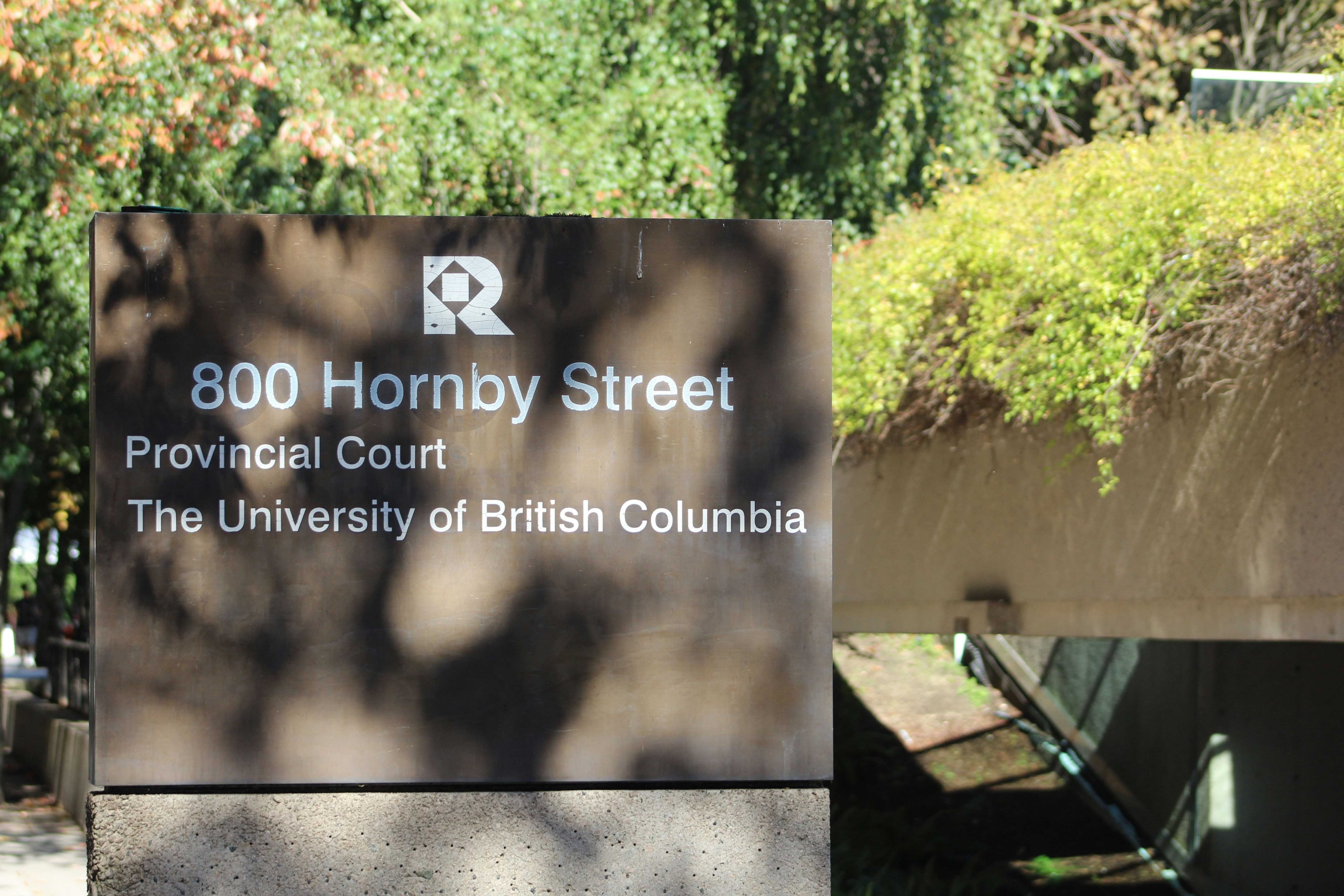
Image by Unsplash / Gabriel Dalton
Need help right now? We're here 24/7.
Once you’ve determined that an estate requires probate, the next practical question is where to file. In British Columbia, all probate applications go through the Supreme Court of British Columbia - there’s no separate probate court as there is in some other jurisdictions.
Here’s how to figure out which registry to use and what to expect.
One Court, Many Registries
The BC Supreme Court operates registries in communities across the province. Your application goes to a registry, not to a specialised probate court.
Which registry? Generally, you file at the registry closest to where the deceased lived at the time of death. If the deceased didn’t live in BC but owned property here, you’d typically file where the property is located.
Registry staff can confirm whether you’ve chosen the correct location. They can explain procedure - which forms, what order, what fees - but they cannot give legal advice or tell you whether your application is likely to succeed.
Supreme Court Registries Serving Metro Vancouver and the Fraser Valley
For families in our service area, these are the registries you’re most likely to use:
Vancouver - Law Courts, 800 Smithe Street
New Westminster - Begbie Square, 651 Carnarvon Street
Chilliwack - 46085 Yale Road
Abbotsford - 32720 South Fraser Way
Port Coquitlam - 2620 Mary Hill Road
Other registries operate throughout the province, including Victoria, Nanaimo, Kelowna, Kamloops, Prince George, Nelson, Cranbrook, Terrace, and Prince Rupert.
Because registry addresses, hours, and filing procedures change, confirm current details through the BC Supreme Court or Court Services Online before you go.
Before You File
Two things must happen before your application can be submitted:
The P1 notice period. You must deliver a Notice of Proposed Application (Form P1) to every beneficiary, every person who would inherit if there were no will, and anyone else entitled to notice. Then you must wait at least 21 days before filing.
The Wills Notice Search. You need search results from the BC Vital Statistics Agency confirming what Wills Notices, if any, the deceased filed. Allow several weeks for this.
Skipping or rushing either step is one of the most common reasons applications get rejected and sent back.
What You’ll Submit
A typical application with a will includes:
Form P2 - Submission for Estate Grant
Form P3 - Affidavit of Applicant
Form P1 - Notice of Proposed Application, with affidavit of delivery
Form P10 - Affidavit of Assets and Liabilities
The original will (not a copy)
Wills Notice Search results
The $200 filing fee (for estates over $25,000)
Where there’s no will, the forms differ and additional material - including bond arrangements - may be required.
Current forms are published on the BC Supreme Court Civil Rules forms page.
Filing Options
In person. Bring your complete application to the registry counter. Staff will review it for completeness before accepting it.
By mail. Applications can be mailed to the registry. Slower, but avoids a trip.
Electronically. Court Services Online supports electronic filing for many document types, though probate applications have specific requirements. If you’re working with a lawyer, they’ll typically file this way.
Probate Fees
Fees are paid to the court and calculated on the gross value of the estate:
$25,000 or less - no probate fee
$25,000 to $50,000 - $6 per $1,000 (or part) above $25,000
Over $50,000 - $150, plus $14 per $1,000 (or part) above $50,000
Plus the $200 filing fee for estates over $25,000.
Our guide to probate in BC covers the fee structure and what’s included in the calculation in more detail.
How Long Registries Take
Processing times vary substantially between registries and across the year. Busier urban registries generally take longer than smaller ones. Several weeks to several months is normal.
The most common cause of delay isn’t the court - it’s incomplete applications. Missing affidavits, incorrect valuations, improperly delivered notices, and unsigned forms all result in the file being returned. Getting it right the first time is worth the extra care.
Do You Need a Lawyer to File?
No. You can file as a self-represented applicant, and the court provides the forms and procedural guidance.
Self-filing tends to work for straightforward estates: a clearly valid will, cooperative beneficiaries, modest assets, no real property complications.
Get a lawyer if the estate holds real property or a business, the will’s validity is in question, there’s no will, beneficiaries are in conflict, a wills variation claim looks possible, or the value is significant enough that a mistake would be costly.
Legal fees for probate work are paid from the estate.
Free Resources
People’s Law School and Clicklaw publish plain-language guides to BC probate that are genuinely useful for self-represented applicants.
Access Pro Bono offers free legal advice clinics across BC, including for estate matters.
Registry staff can explain what forms are required and how to complete the mechanics, even though they can’t advise on the substance.
What We Take Care Of
At Alternatives Funeral & Cremation Services, we handle the pieces that come before any of this: coordinating the Medical Certificate of Death, registering the death with BC Vital Statistics, and ordering the certified death certificates your probate application requires.
Order more copies than you think you need. Between the court, the banks, insurers, CRA, and Service Canada, most executors use far more than they expect.
Learn more at myalternatives.ca
This article provides general information about probate filing in British Columbia. Registry locations, forms, and fees change - verify current details with the BC Supreme Court. For legal advice, consult a qualified estate lawyer.
Have questions about this?
Our team can talk through your options and what applies to your family. No cost, no obligation.
Related reading
Estate Administration
The CPP Death Benefit: How to Apply and What to Expect
Jul 1, 2026

Estate Administration
The Administrative Burden of Death: What Nobody Warns You About
The paperwork that follows a death in BC: what has to be done, in what order, and roughly how long e...
Jun 27, 2026

Estate Administration
Is This Will Valid? What Makes a Will Legally Binding in British Columbia
What makes a will legally binding in British Columbia, the mistakes that invalidate one, and what th...
Jun 20, 2026