We're here to help in Vancouver —
(604) 857-5779

How to Find Unclaimed Assets and Forgotten Accounts in Canada
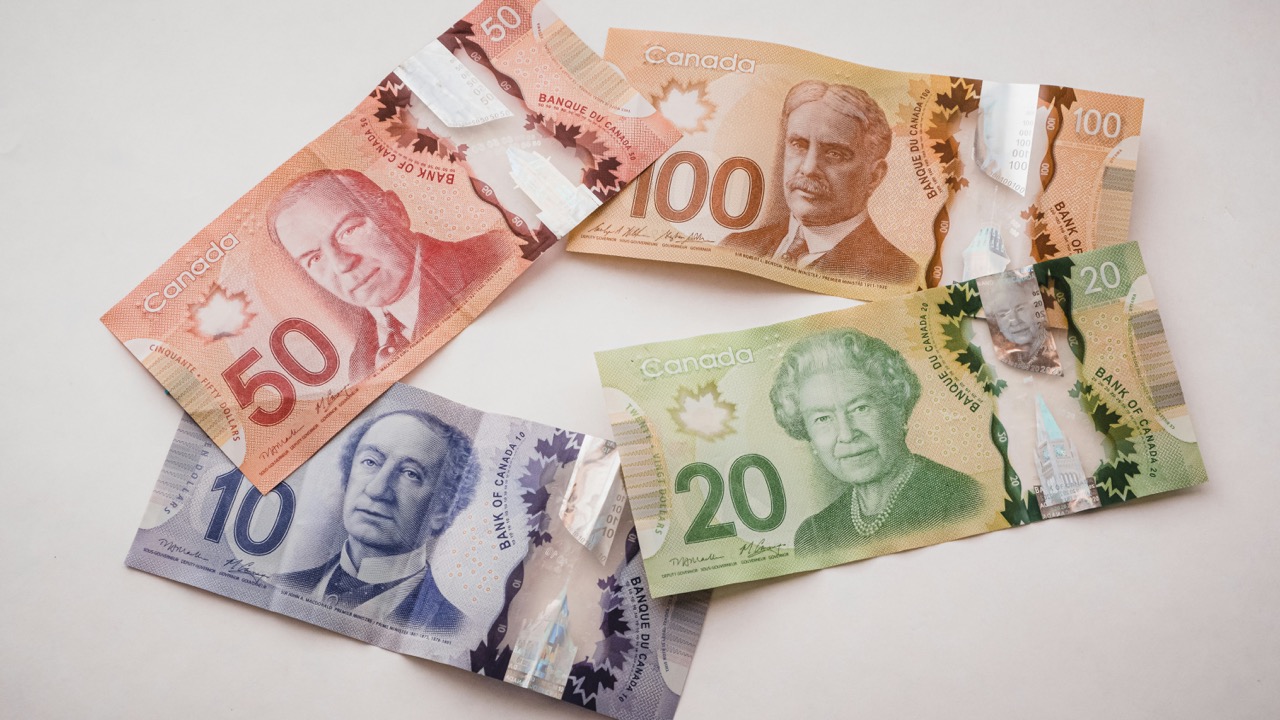
Image by Unsplash / PiggyBank
Need help right now? We're here 24/7.
People forget things. A savings account opened decades ago at a bank that’s since been absorbed by another. A pension from a job held in the 1980s. A small insurance policy purchased through a union. Shares in a company that changed names twice.
When someone dies, those forgotten assets don’t announce themselves - and as executor, you have a duty to find them. Fortunately, Canada has several free public registries designed for exactly this purpose.
BC Unclaimed Property Society
The BC Unclaimed Property Society is a non-profit that maintains a searchable database of unclaimed funds from BC sources: dormant credit union accounts, unclaimed wages, court payments, insurance proceeds, real estate deposits, and more.
Searching is free. So is making a claim - the Society charges nothing.
Search at unclaimedproperty.bc.ca using the deceased’s name. Try variations: maiden names, middle initials, common misspellings, and any former names.
As executor, you can claim on behalf of the estate. You’ll need a death certificate and proof of your authority.
Bank of Canada Unclaimed Balances
When a Canadian dollar account at a federally regulated bank sits inactive for 10 years and the owner can’t be contacted, the balance is transferred to the Bank of Canada.
This is one of the most productive searches, and again it’s free. The registry holds hundreds of thousands of unclaimed balances.
Search at bankofcanada.ca/unclaimed-balances. Search the deceased’s name and any variations, and include former addresses if the search allows it.
Note that this covers federally regulated banks. Credit union balances in BC generally go to the BC Unclaimed Property Society instead - so search both.
Other Provincial Registries
If the deceased lived or worked in other provinces, check those registries too:
Alberta - Unclaimed Property Registry
Quebec - Revenu Québec administers unclaimed property
New Brunswick - Unclaimed Property Program
Ontario - has no general unclaimed property registry at present
Someone who moved provinces over a working life may have left assets behind in more than one jurisdiction.
Pensions and Employment Benefits
Forgotten pension entitlements are common, particularly for people who changed jobs frequently or worked for companies that were later acquired.
Work through the employment history. Old tax returns, T4 slips, and resumés reveal every employer. Contact each one’s pension administrator - or, if the company no longer exists, its successor.
Check with unions and professional associations. Many maintain their own pension and benefit plans separate from employers.
Contact the pension regulator. In BC, the Financial Institutions Commission (now part of the BC Financial Services Authority) oversees provincially regulated pension plans. The Office of the Superintendent of Financial Institutions covers federally regulated plans.
Don’t forget group life insurance. Employer-provided life insurance is one of the single most commonly missed assets. Coverage sometimes continues into retirement.
Insurance Policies
The OmbudService for Life & Health Insurance (OLHI) operates a free policy search service. If you believe a policy may exist but can’t identify the insurer, OLHI will circulate an inquiry among member companies on your behalf.
Learn more at olhi.ca.
Beyond that, look for evidence in:
Bank statements showing recurring premium payments
Correspondence from insurers
Employer and union benefit records
Credit card statements (some cards include life coverage)
Mortgage documents (mortgage life insurance)
Investments and Securities
Unclaimed dividends and shares. If the deceased held shares directly rather than through a brokerage, dividends may have gone uncashed. Transfer agents - companies like Computershare and TSX Trust - administer shareholder records and can search by name.
Old brokerage accounts. Look for statements, trade confirmations, and T5008 or T3 slips.
Canada Savings Bonds. The program has been discontinued, but unredeemed bonds remain payable. Contact the Canada Savings Bonds program to check.
Crypto and digital holdings. See our guide to cryptocurrency and digital assets in an estate.
Use the Tax Return as a Map
The deceased’s recent tax returns are one of the most efficient tools you have. Every T3, T4A, T5, and T5008 slip corresponds to an institution holding something.
Once you’re registered as legal representative with the CRA, you can access several years of filed slips through Represent a Client - which effectively gives you an index of the deceased’s financial relationships.
Government Benefits That May Be Owed
CPP Death Benefit - A one-time payment of up to $2,500 to the estate. See our guide to applying for the CPP Death Benefit.
CPP Survivor’s Pension and Children’s Benefit - Ongoing monthly payments to eligible survivors.
Veterans Affairs benefits - If the deceased served, benefits may be available, including through the Last Post Fund.
GST/HST credit and provincial credits - May be payable up to the date of death.
Final tax refund - Frequently overlooked. Many estates are owed money from the final return.
Safety Deposit Boxes
Boxes hold documents, jewellery, bonds, and cash that no one else knows about. To find one:
Look for annual rental fees on bank statements
Check for keys among the deceased’s belongings - box keys are distinctive
Ask each institution the deceased banked with directly
Access typically requires a death certificate and proof of your authority, and the bank may require a representation grant.
Be Wary of Paid “Asset Finders”
You may be contacted by a company offering to recover unclaimed funds for a percentage - often a substantial one.
Every registry listed in this article is free to search and free to claim. You don’t need an intermediary.
Some heir-tracing firms operate legitimately in complex international estates, but for the ordinary Canadian estate, a fee-based finder is offering you something you can do yourself in an afternoon. If someone contacts you claiming to have found money but won’t tell you where it is without a signed agreement, be sceptical.
Don’t Distribute Too Early
Assets can surface months after the death - through a tax slip, a dividend cheque, or a registry search that finally returns a hit.
If you’ve already distributed the estate, recovering funds to deal with a newly discovered debt is difficult, and as executor you can be held personally liable. Most experienced advisors recommend waiting until at least one full tax cycle has passed and you’ve received a clearance certificate from the CRA before final distribution.
A Search Checklist
BC Unclaimed Property Society
Bank of Canada unclaimed balances
Other provincial unclaimed property registries
OLHI insurance policy search
Former employers and pension administrators
Unions and professional associations
Transfer agents for directly held shares
Canada Savings Bonds
CRA slips via Represent a Client
Safety deposit boxes
Service Canada for CPP benefits
We Handle the Documents You’ll Need
Every one of these searches and claims requires proof of death and proof of your authority. At Alternatives Funeral & Cremation Services, we register the death and order the certified death certificates that make all of it possible.
Order generously. Between registries, banks, insurers, and government agencies, executors consistently need more copies than they expect.
Learn more at myalternatives.ca
This article provides general information for executors in Canada. For advice about a specific estate, consult a qualified estate lawyer or accountant.
Have questions about this?
Our team can talk through your options and what applies to your family. No cost, no obligation.
Related reading
Estate Administration
The CPP Death Benefit: How to Apply and What to Expect
Jul 1, 2026

Estate Administration
The Administrative Burden of Death: What Nobody Warns You About
The paperwork that follows a death in BC: what has to be done, in what order, and roughly how long e...
Jun 27, 2026

Estate Administration
Is This Will Valid? What Makes a Will Legally Binding in British Columbia
What makes a will legally binding in British Columbia, the mistakes that invalidate one, and what th...
Jun 20, 2026